Old World Doors
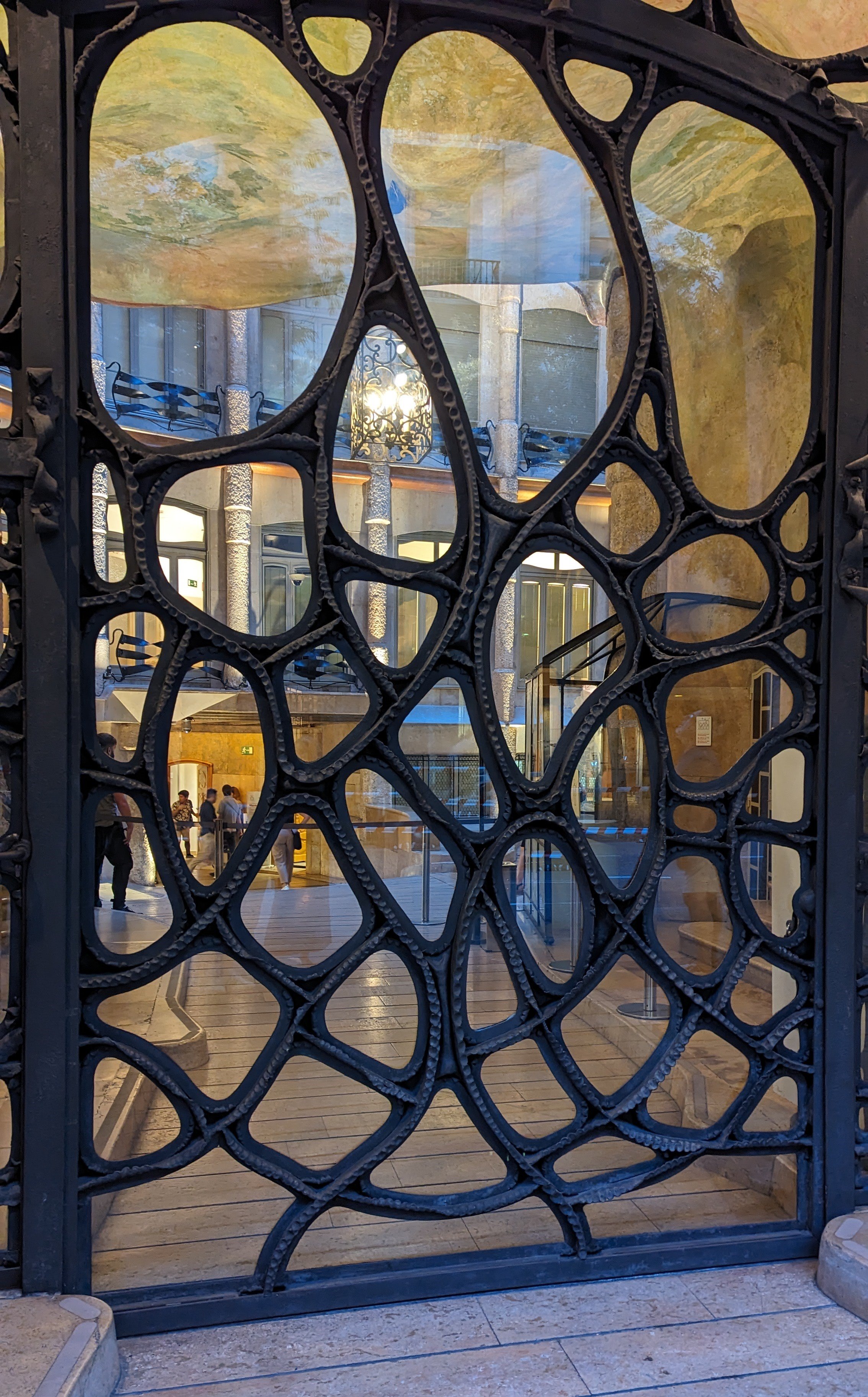
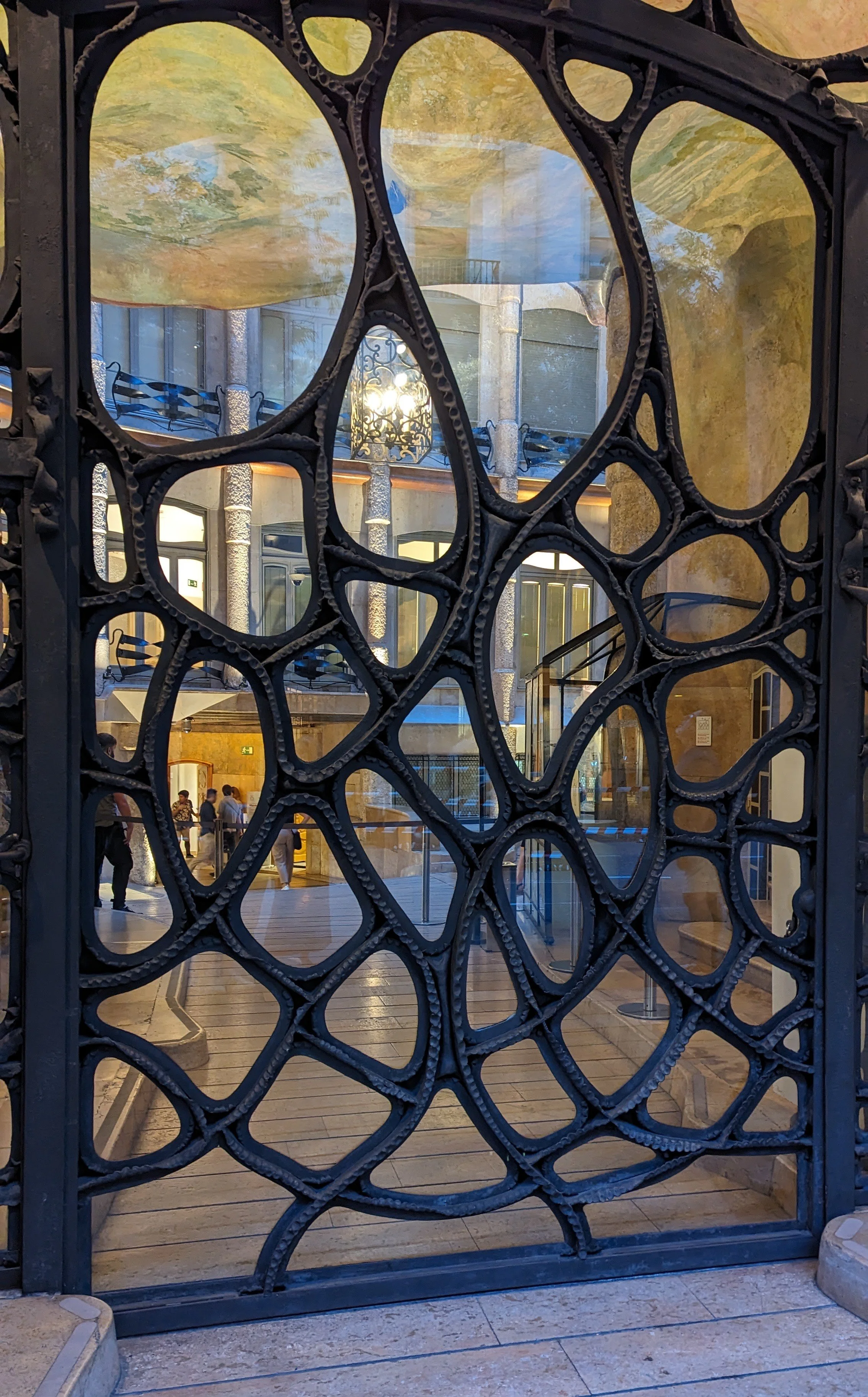
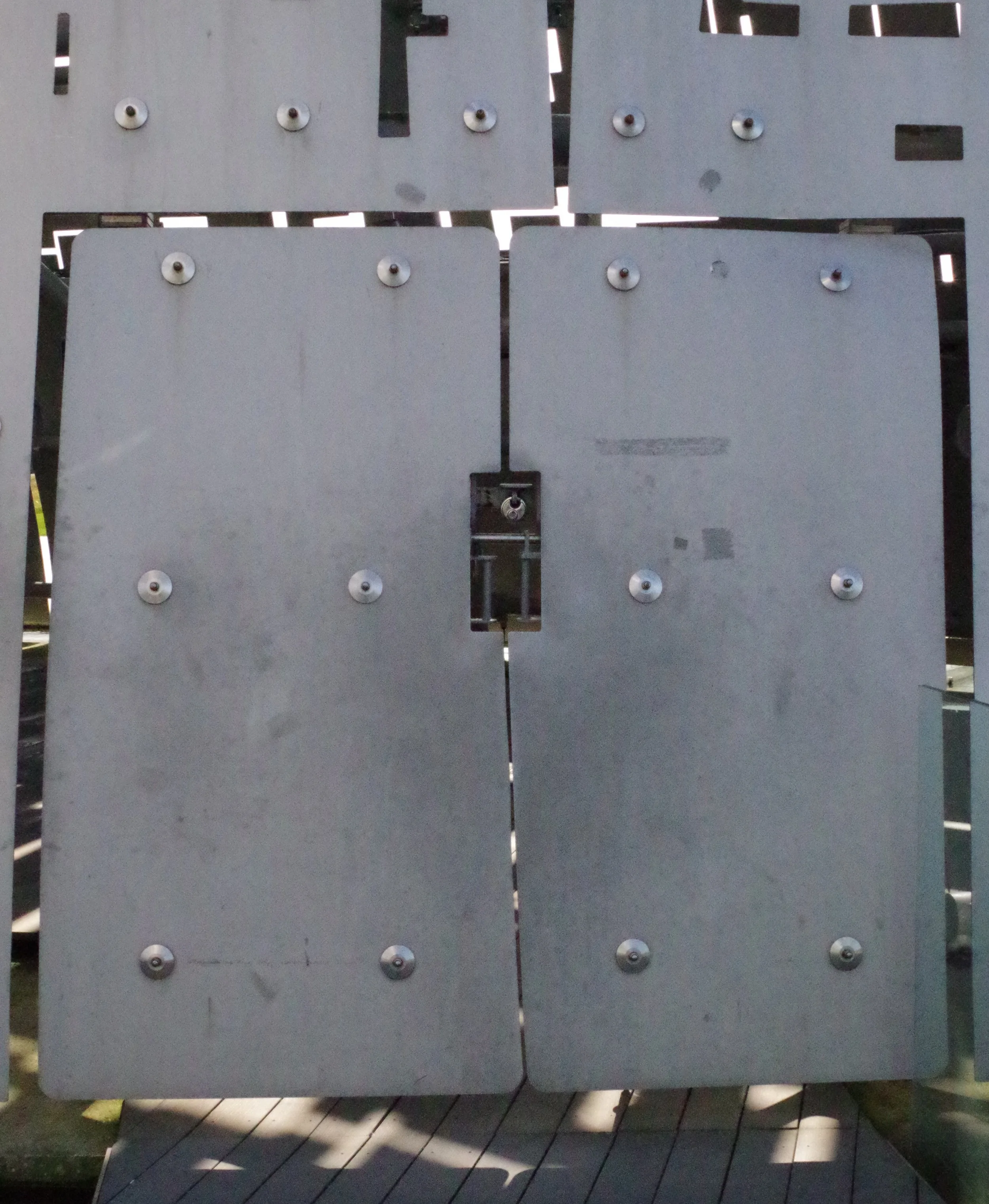
Artistic metal and glass door in Spain.
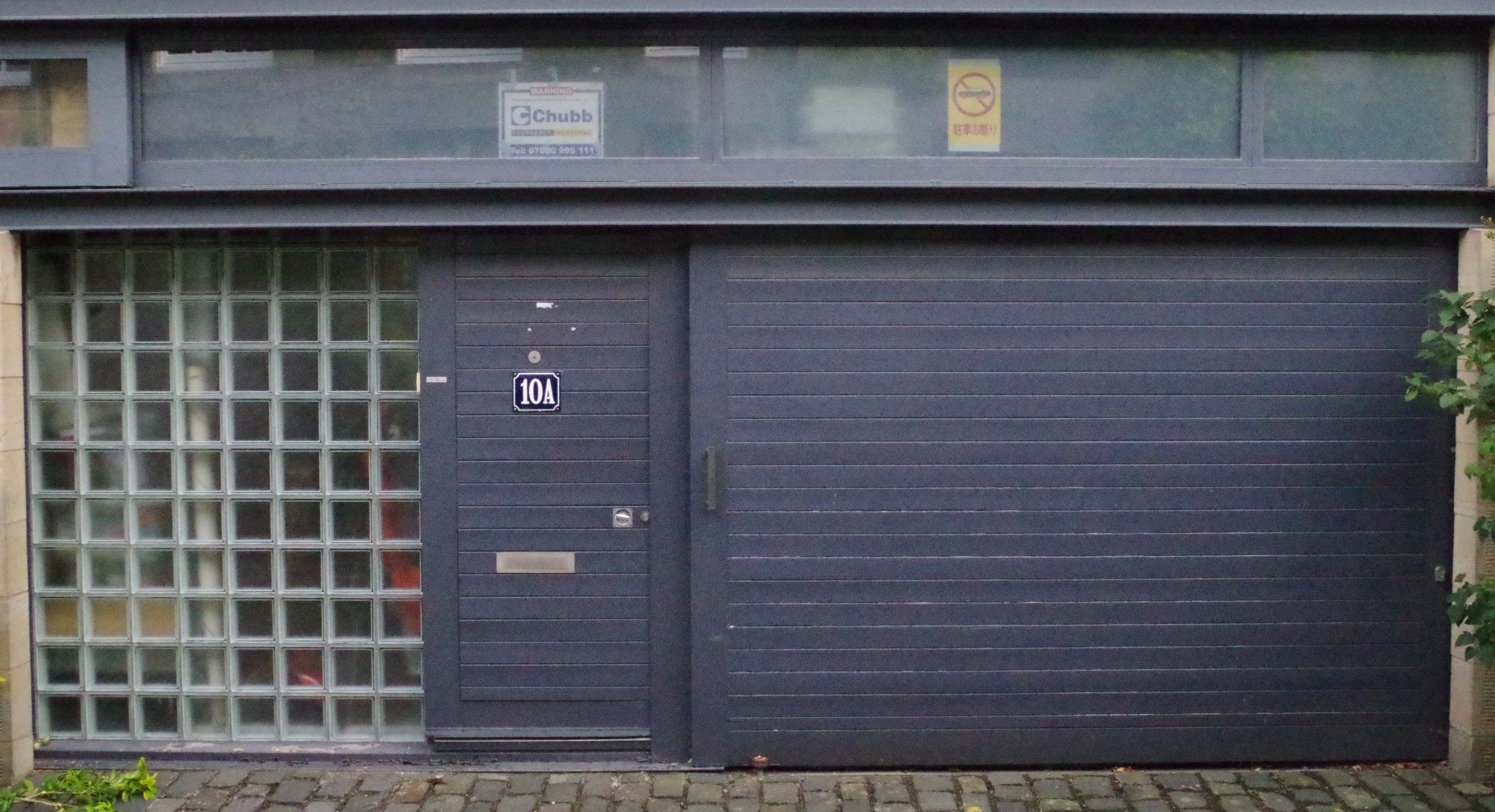
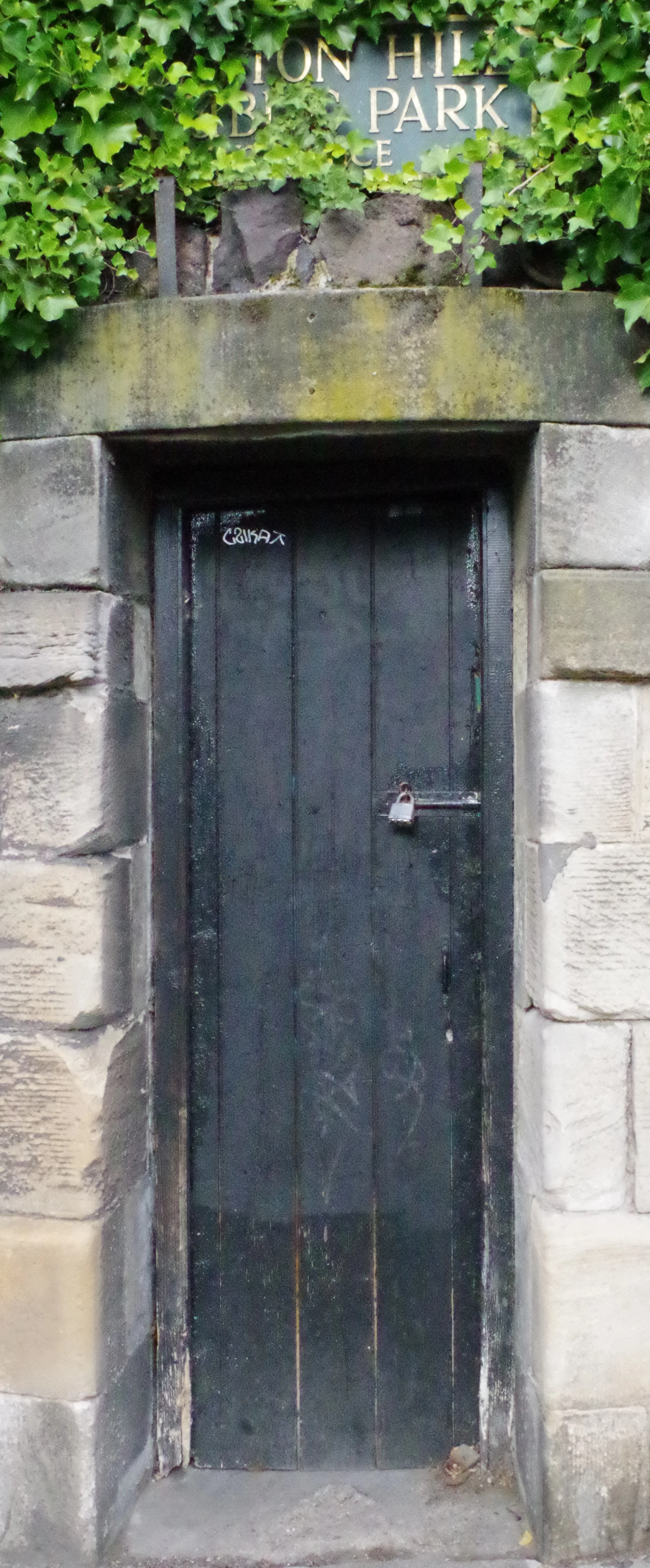
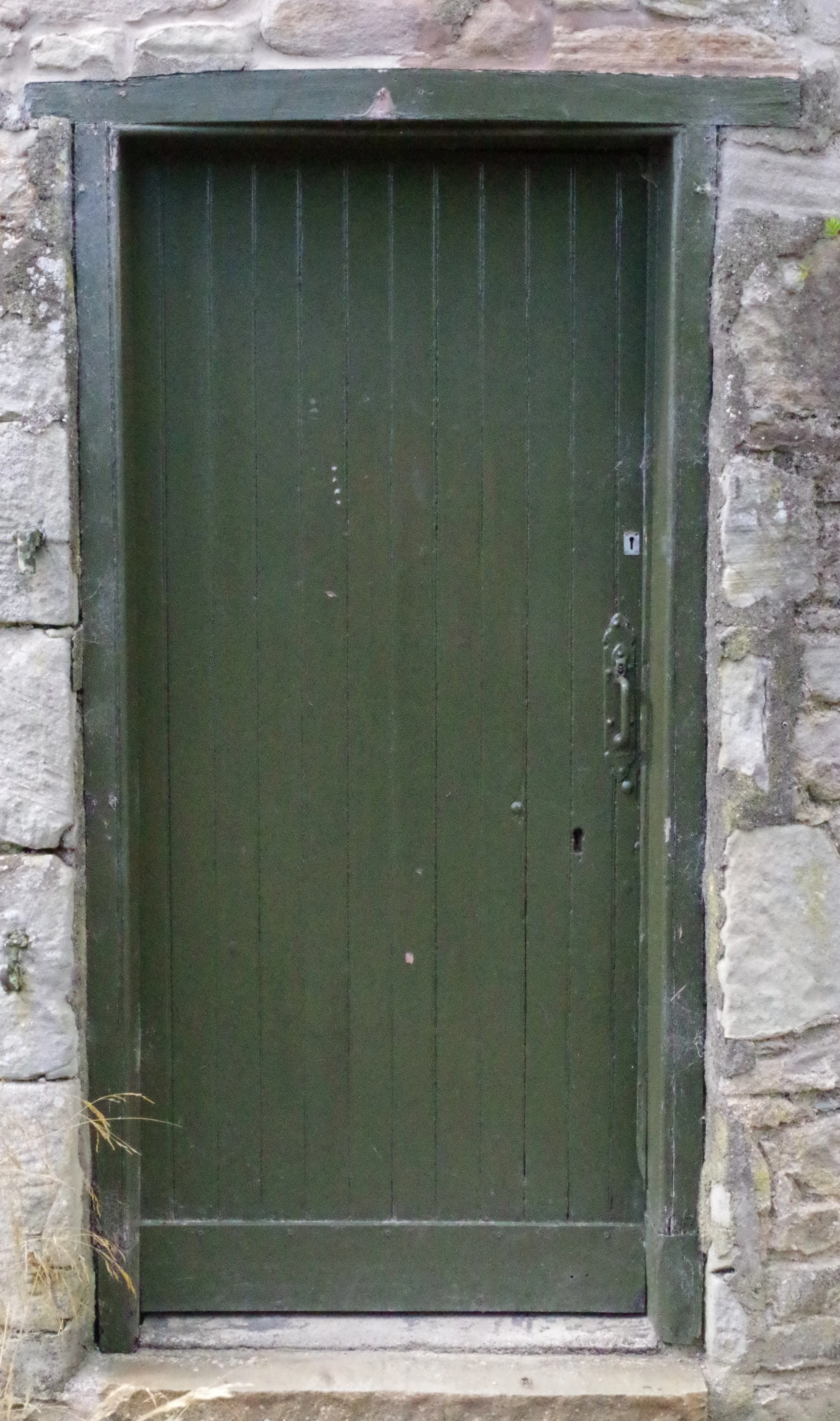
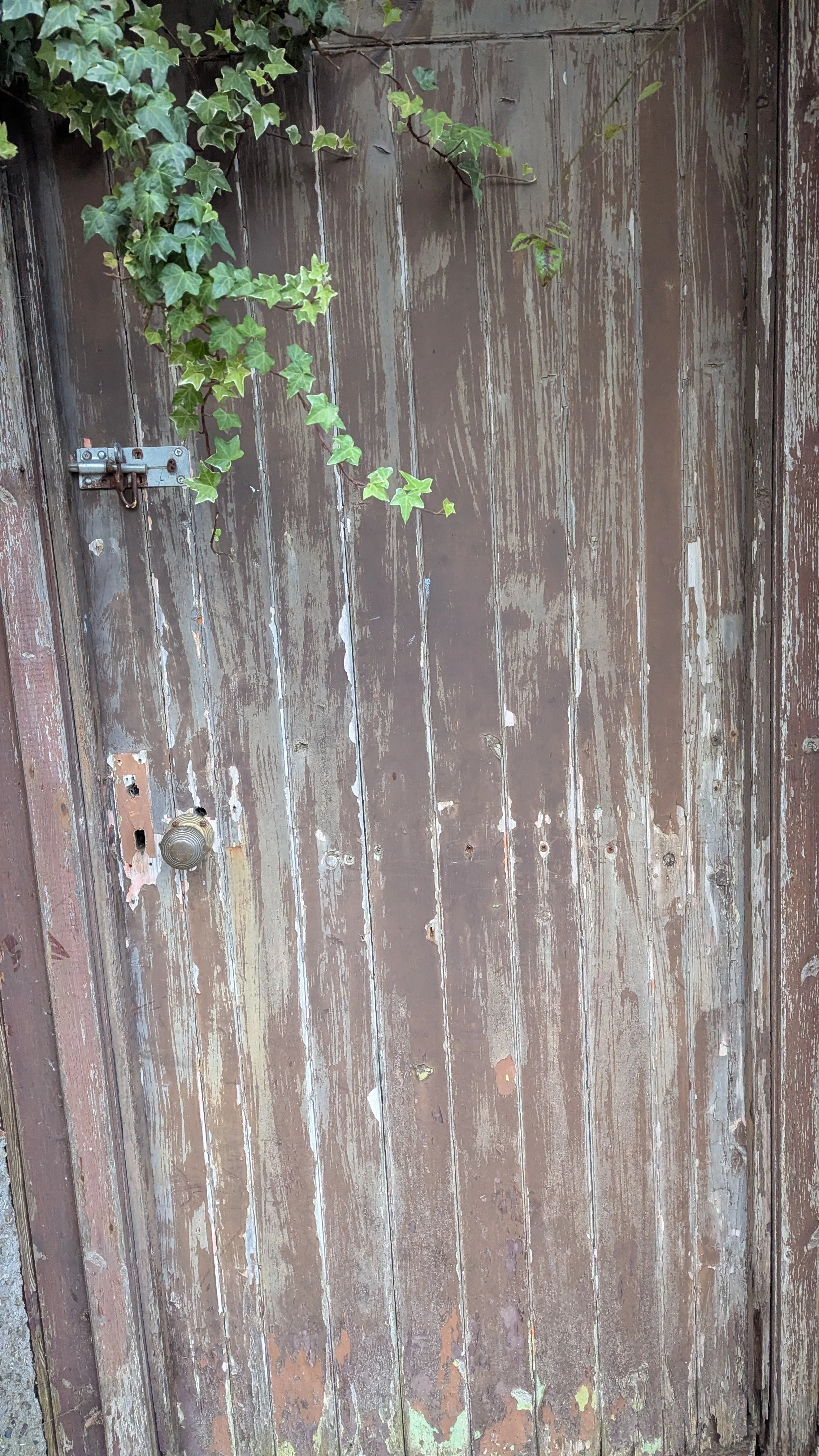
One of the best parts of traveling is experiencing how others live, both in the past and present. During a recent adventure in Scotland, I found myself drawn to door after door. It had me thinking a lot about where the history, function, and style intersect.
Doors Built to Survive
Early Scottish doors were built for survival. Massive oak slabs reinforced with iron studs protected castles and fortified homes under siege. Every joint and bolt had a job to do; these doors needed to hold against armed men, and in doing so, they became symbols of power and authority.
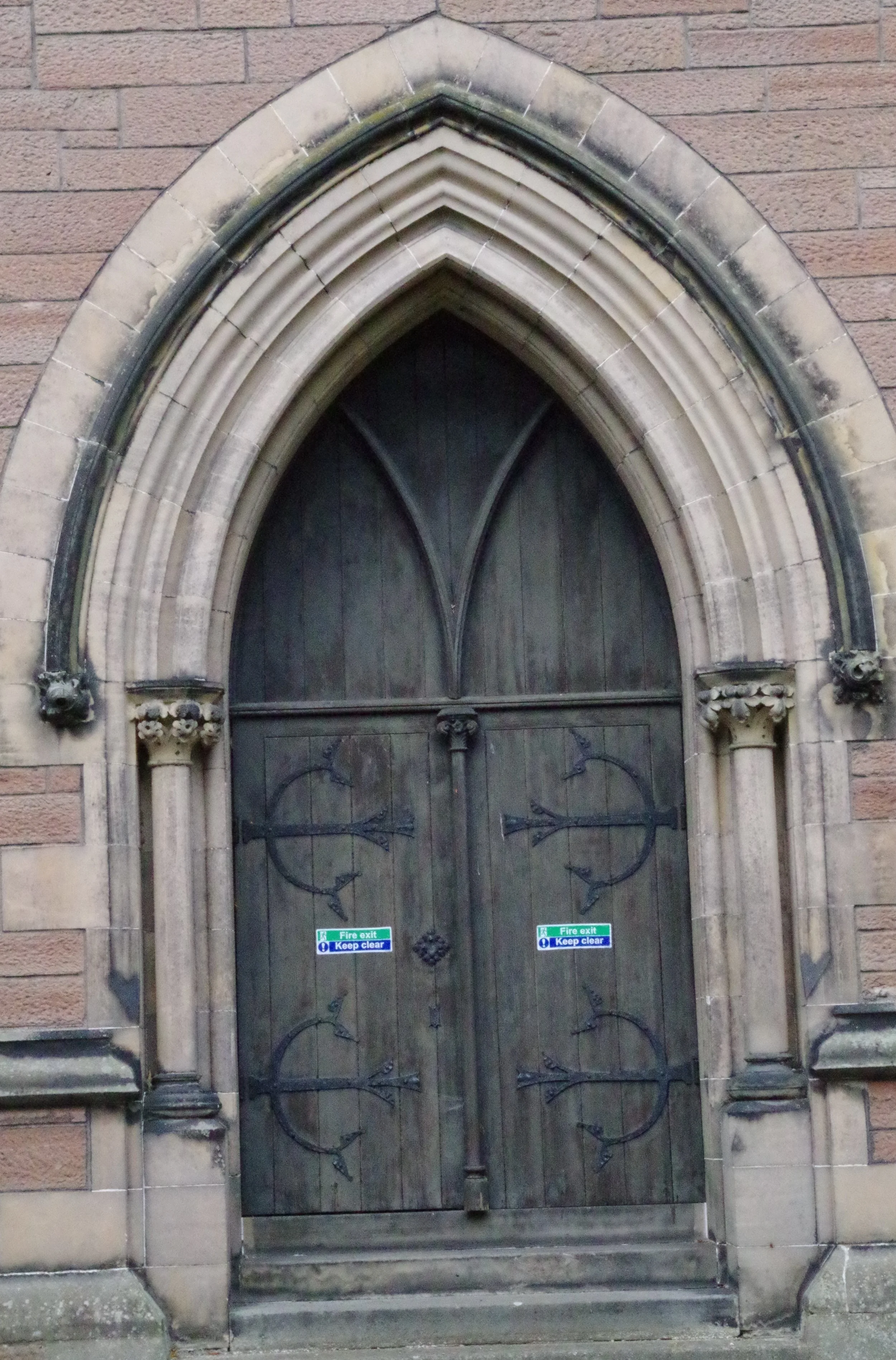
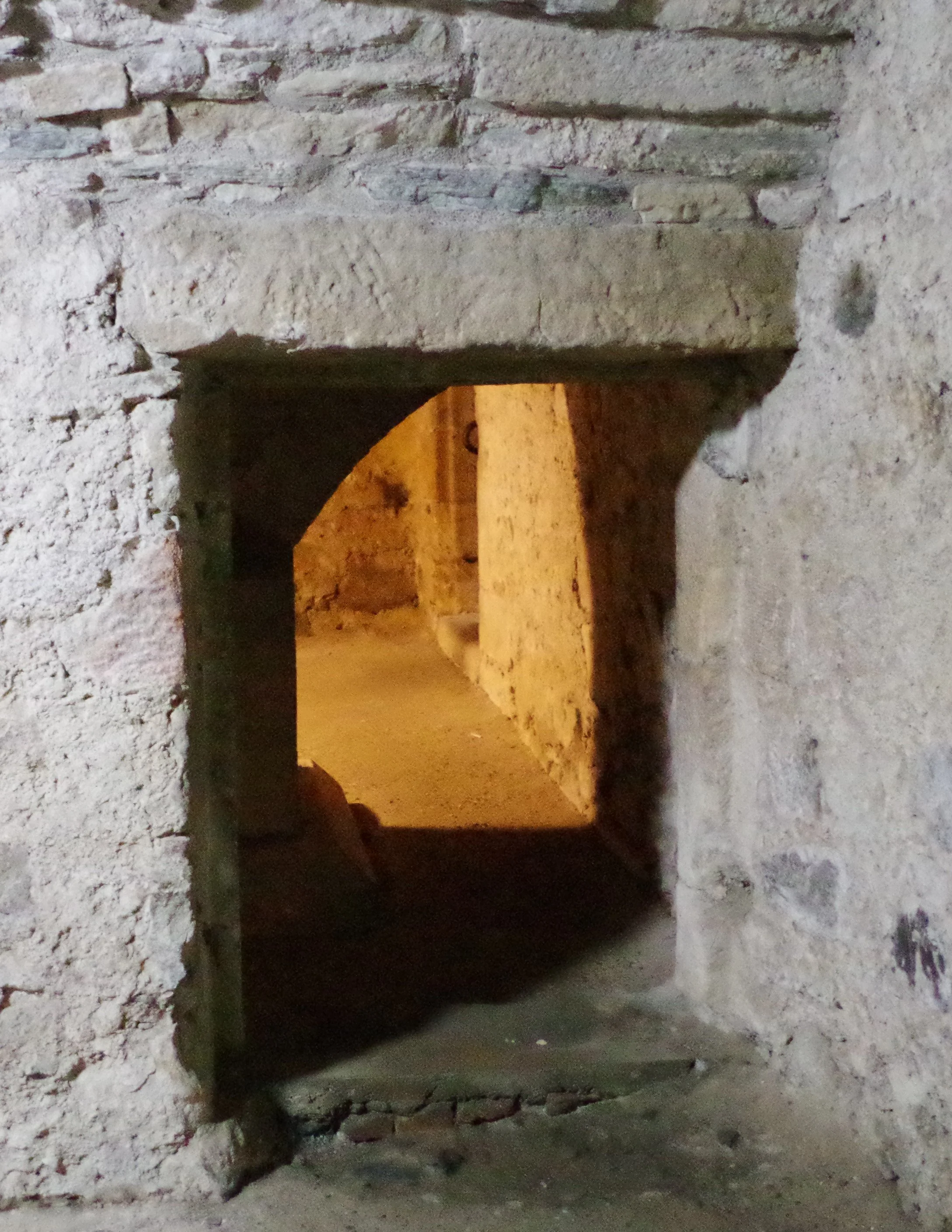
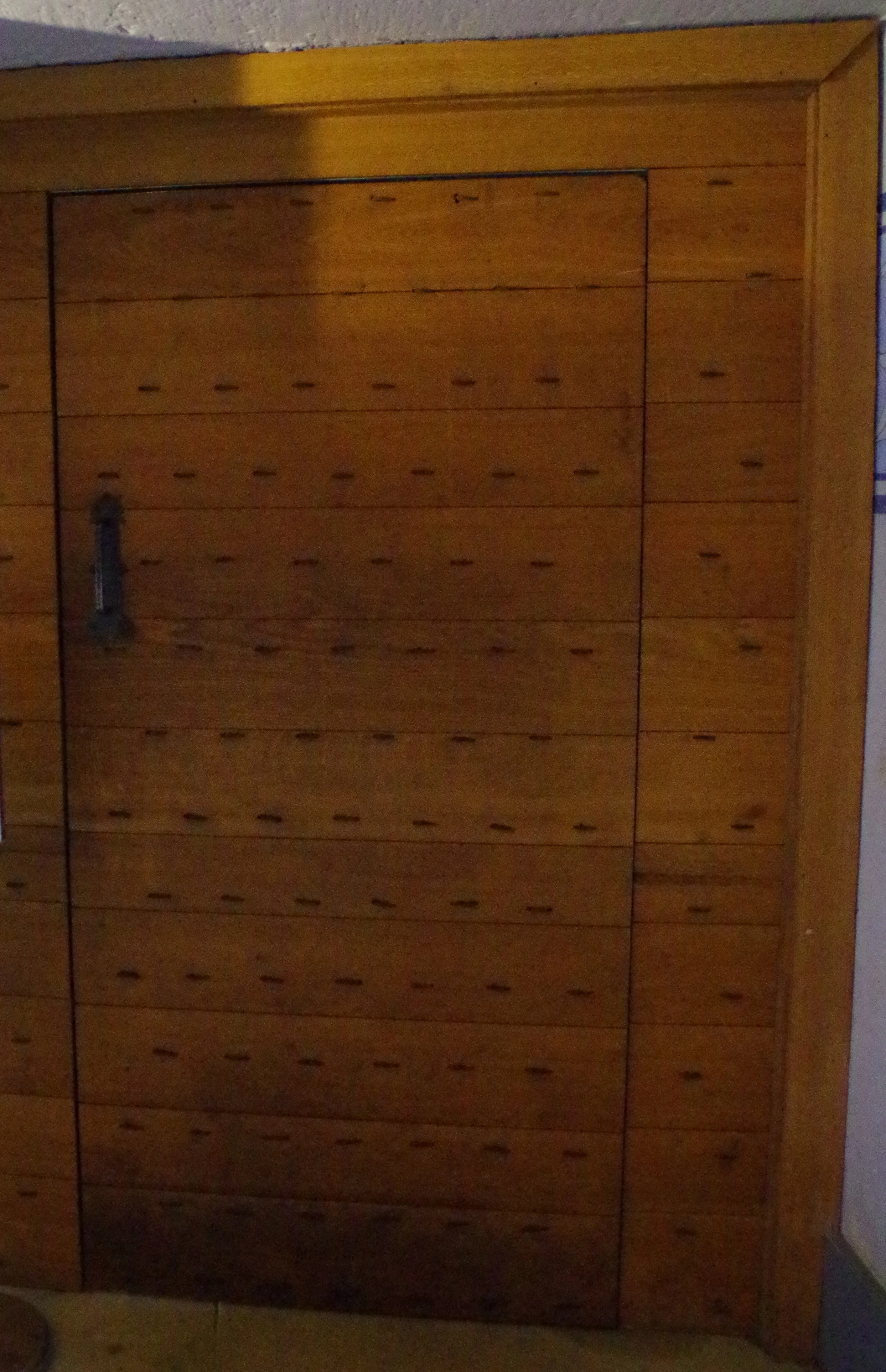
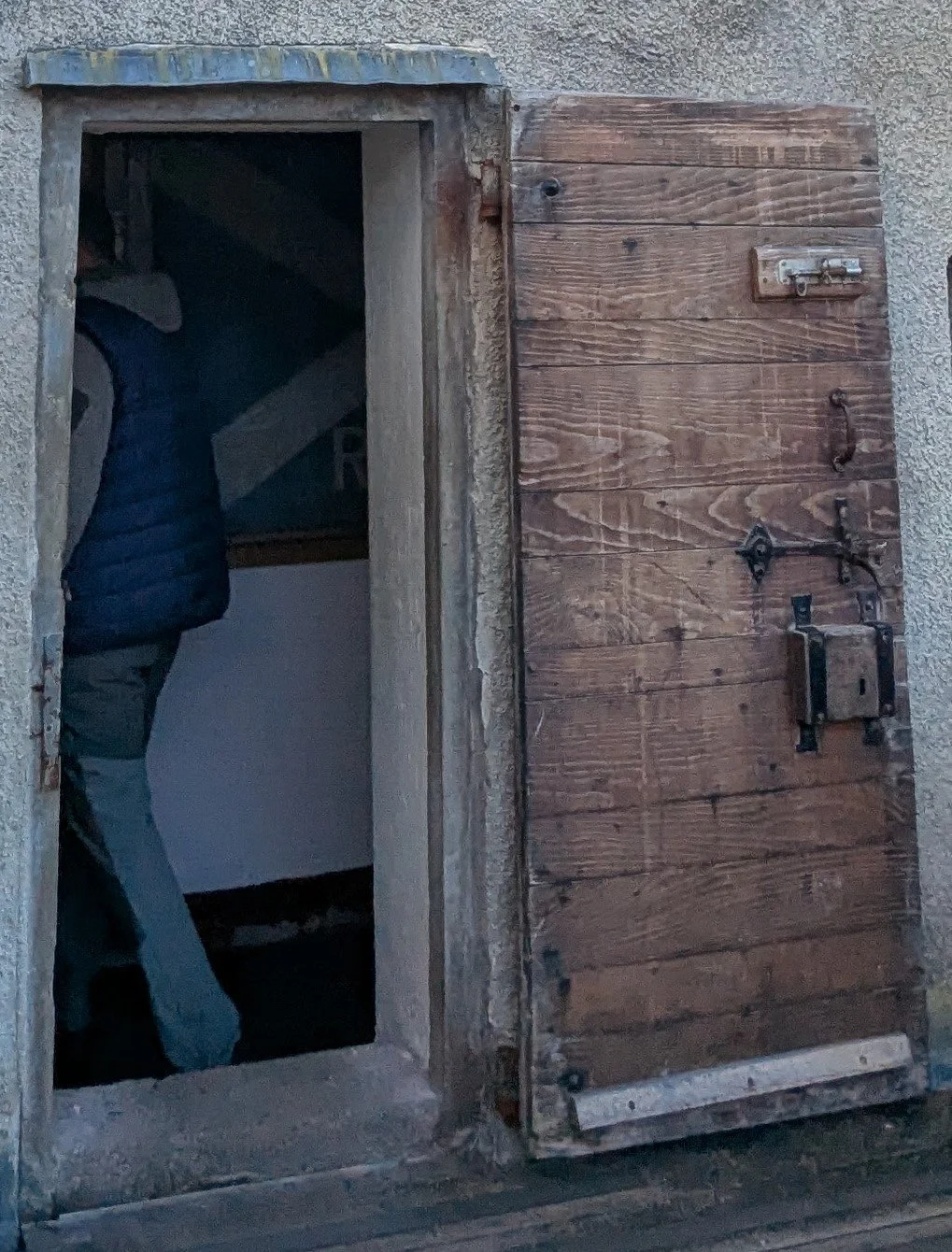
As Renaissance influence spread across Europe, utilitarian starkness gave way to ornament. Paneling, decorative motifs, and carved narratives began to appear on doors that once existed purely to keep people out. Stirling Castle’s carved wooden doors capture this perfectly. The same object once built for defense became a canvas for artistry and symbolism.
By the Victorian era, urban Scottish townhomes had traded fortification for flourishing. Glass panels, patterned frames, and ornate hardware turned the front door into a status symbol, proof that function and beauty no longer had to compete.
But a door was never just an architectural feature. Long before Victorians were showing off, thresholds carried spiritual and symbolic weight. Stepping through one was a ritual act, marking the line between public and private, safety and danger. Roman triumphal arches were essentially ceremonial doors. Anthropologists still describe thresholds as in-between spaces, places where the normal rules of everyday life loosen, if only for the second it takes to walk through.
I thought about that a lot while walking through Scotland.
Wandering Through Edinburgh and Beyond
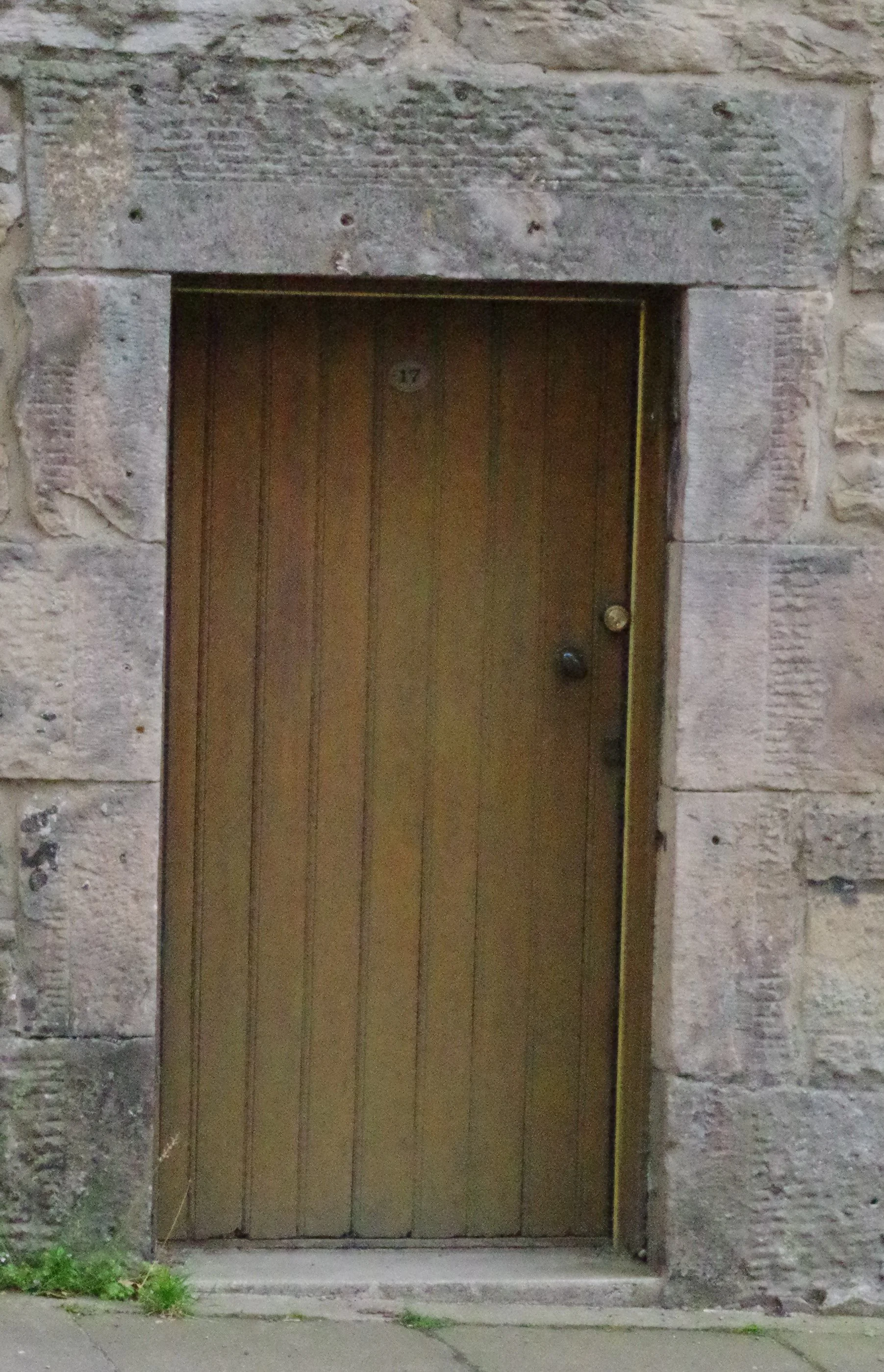
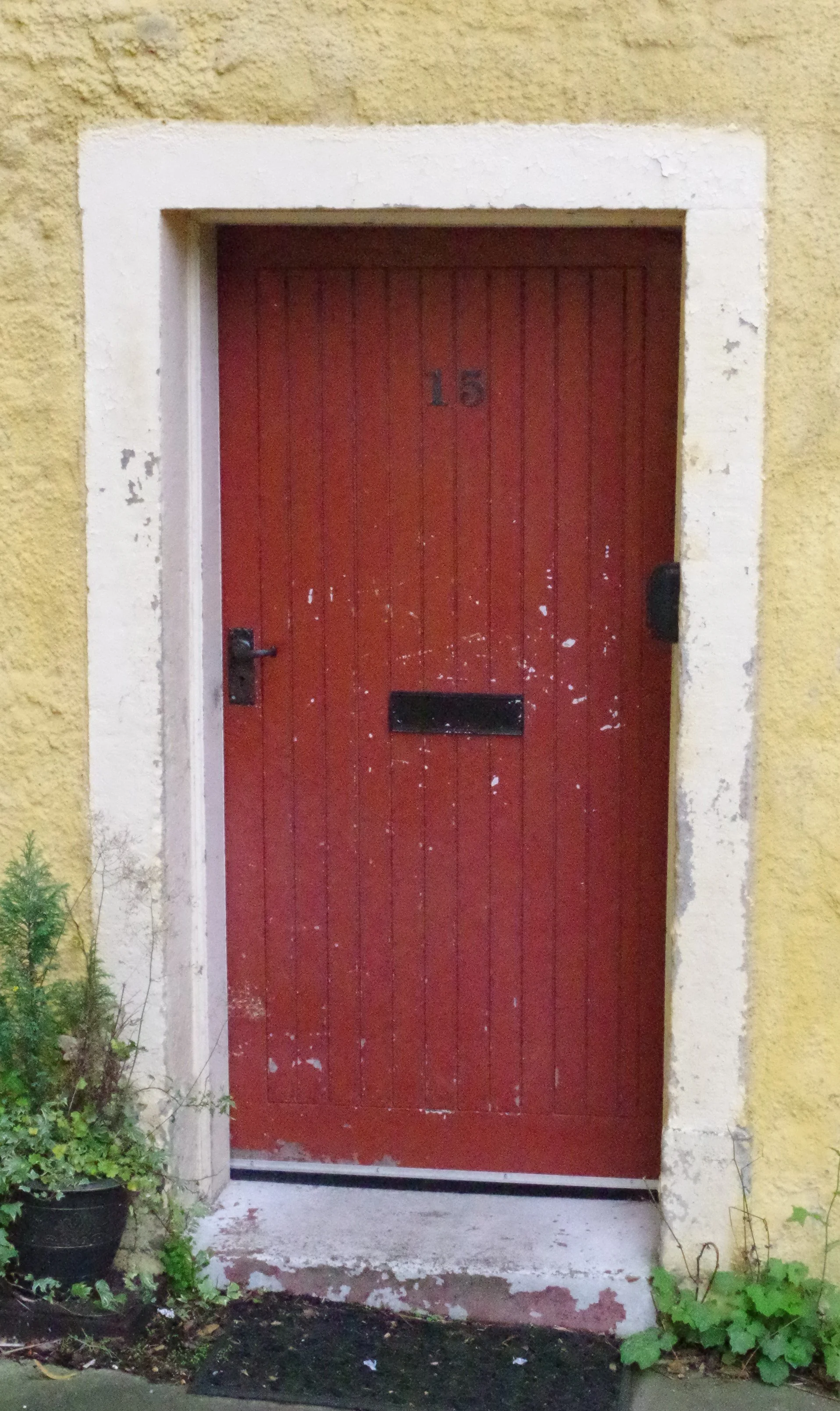
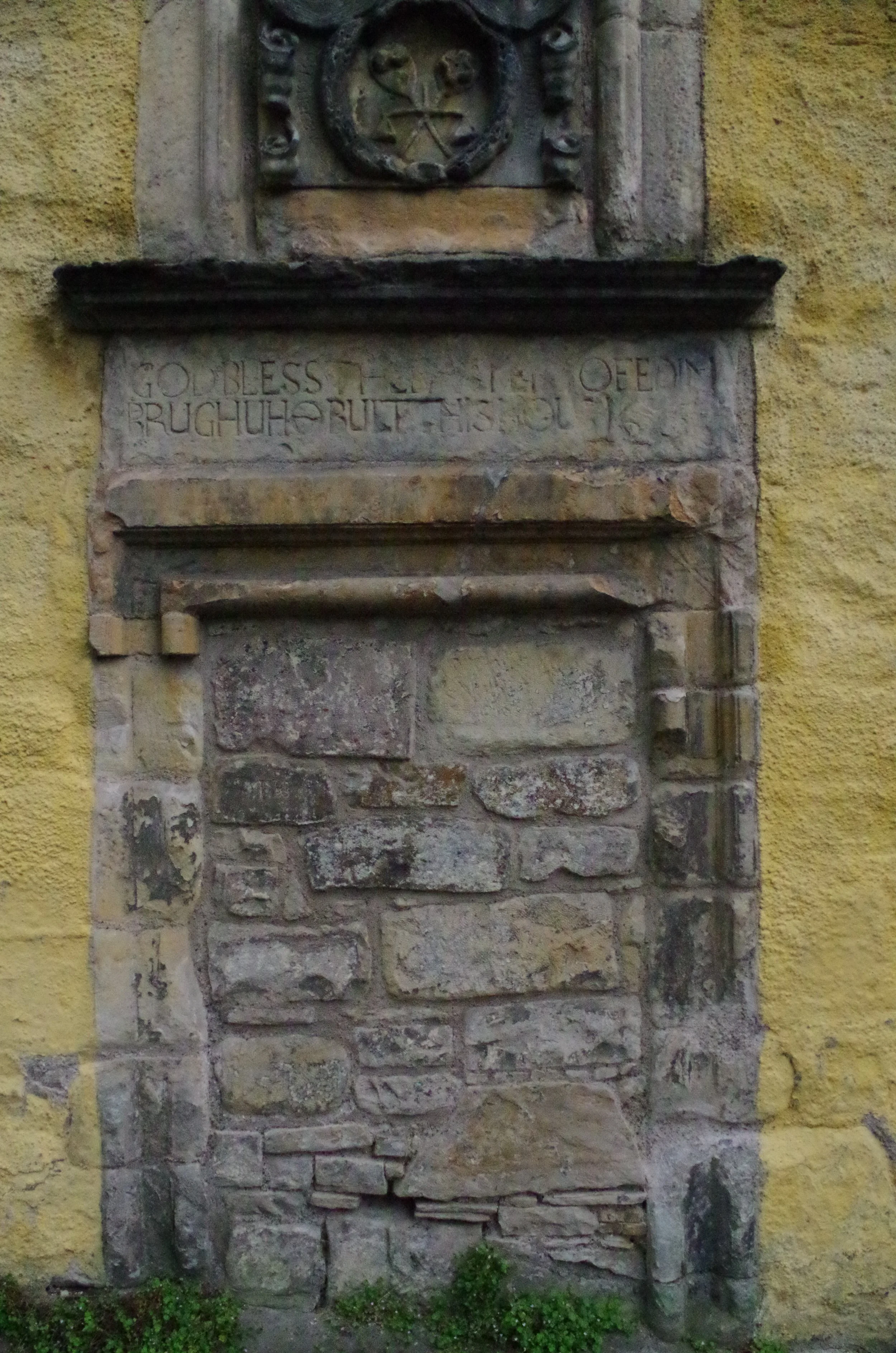
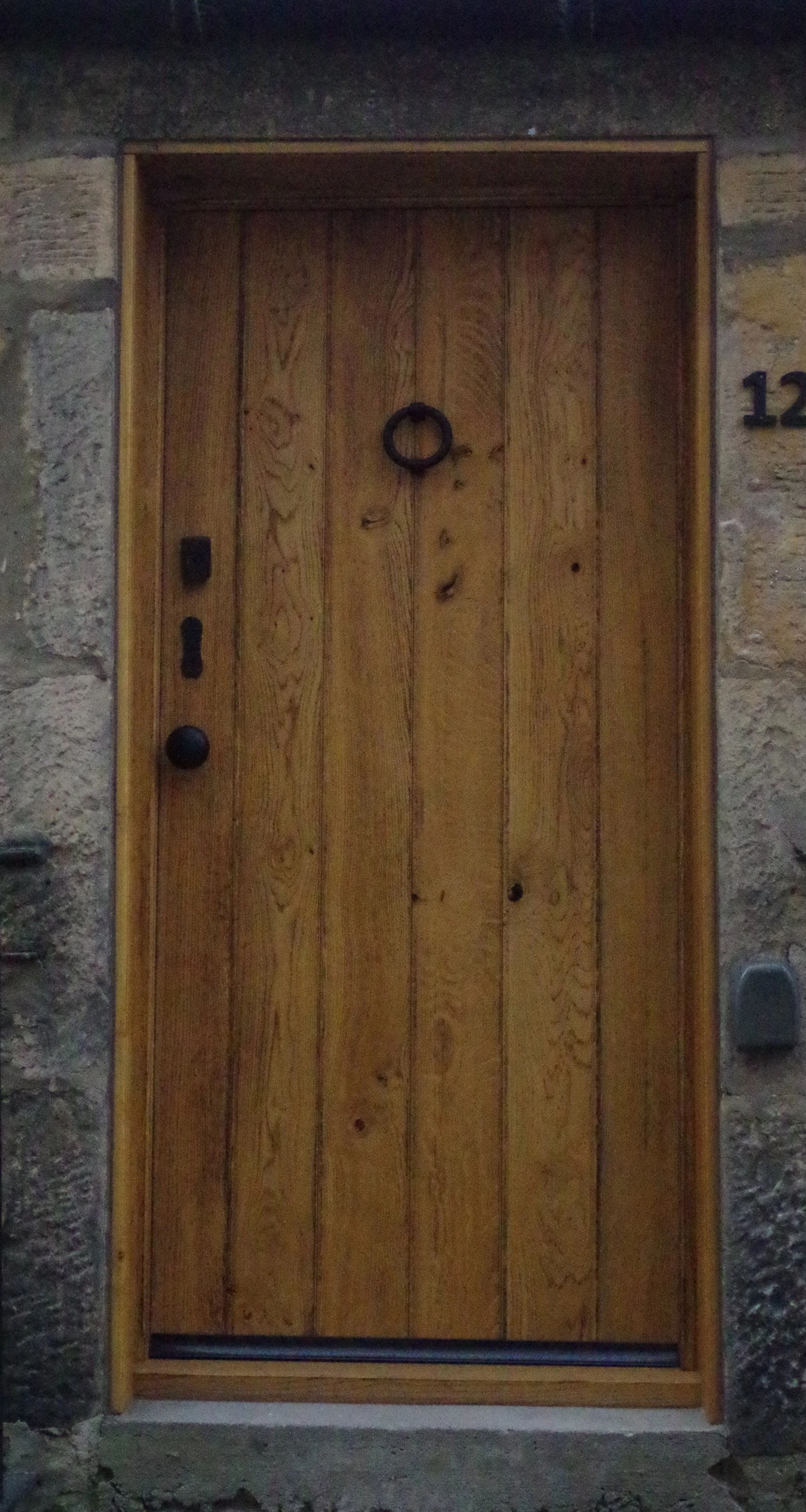
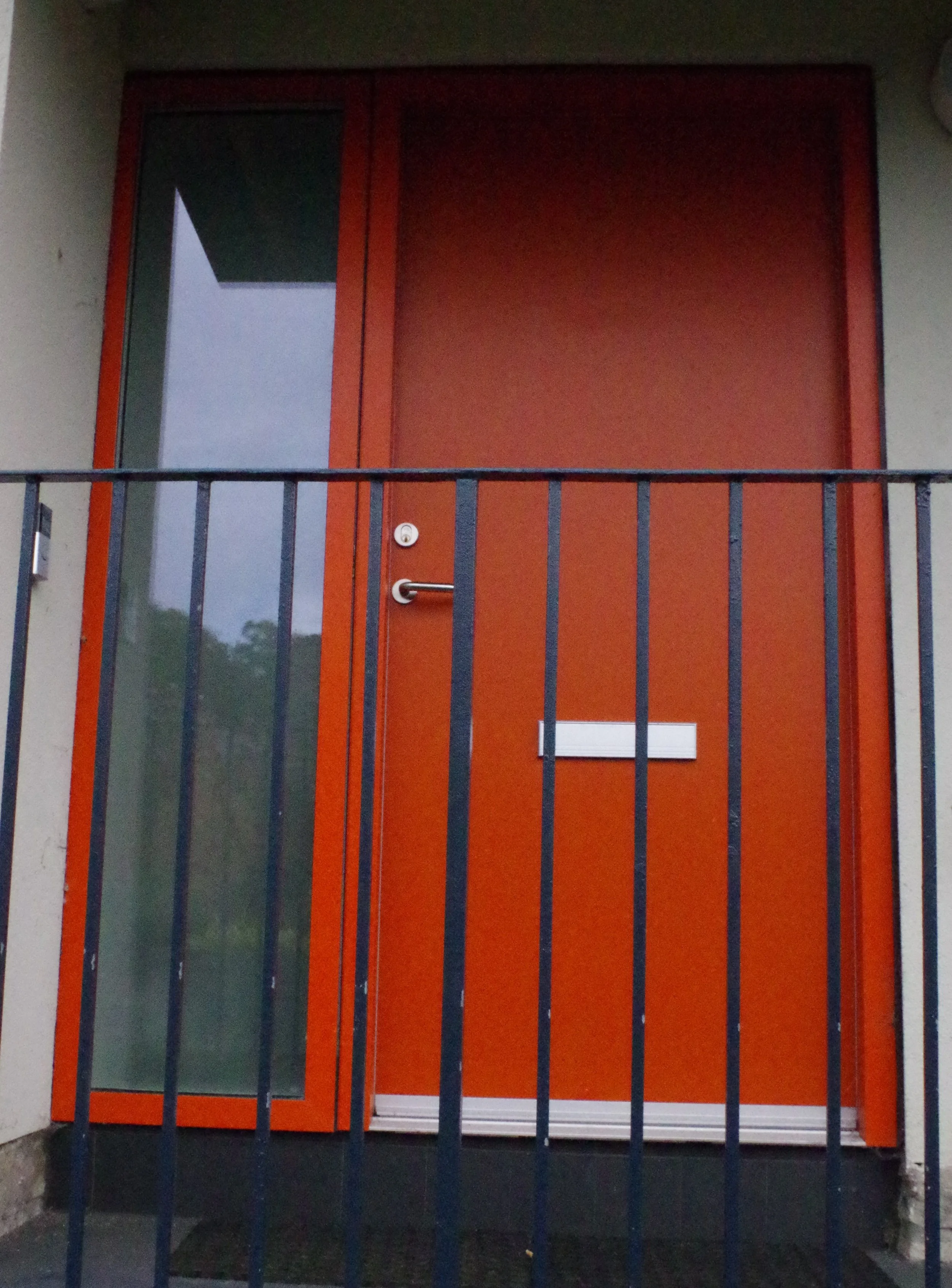
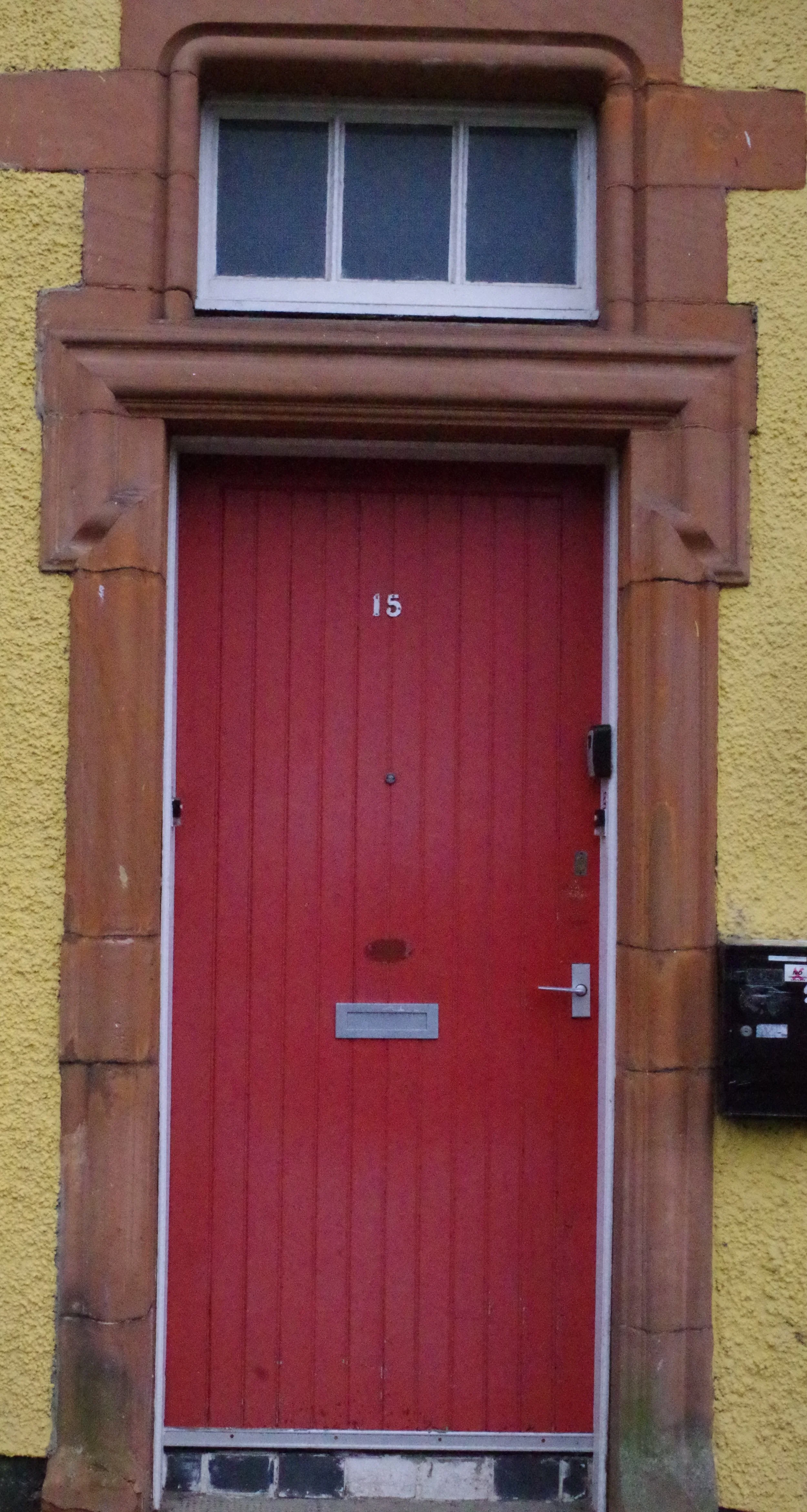
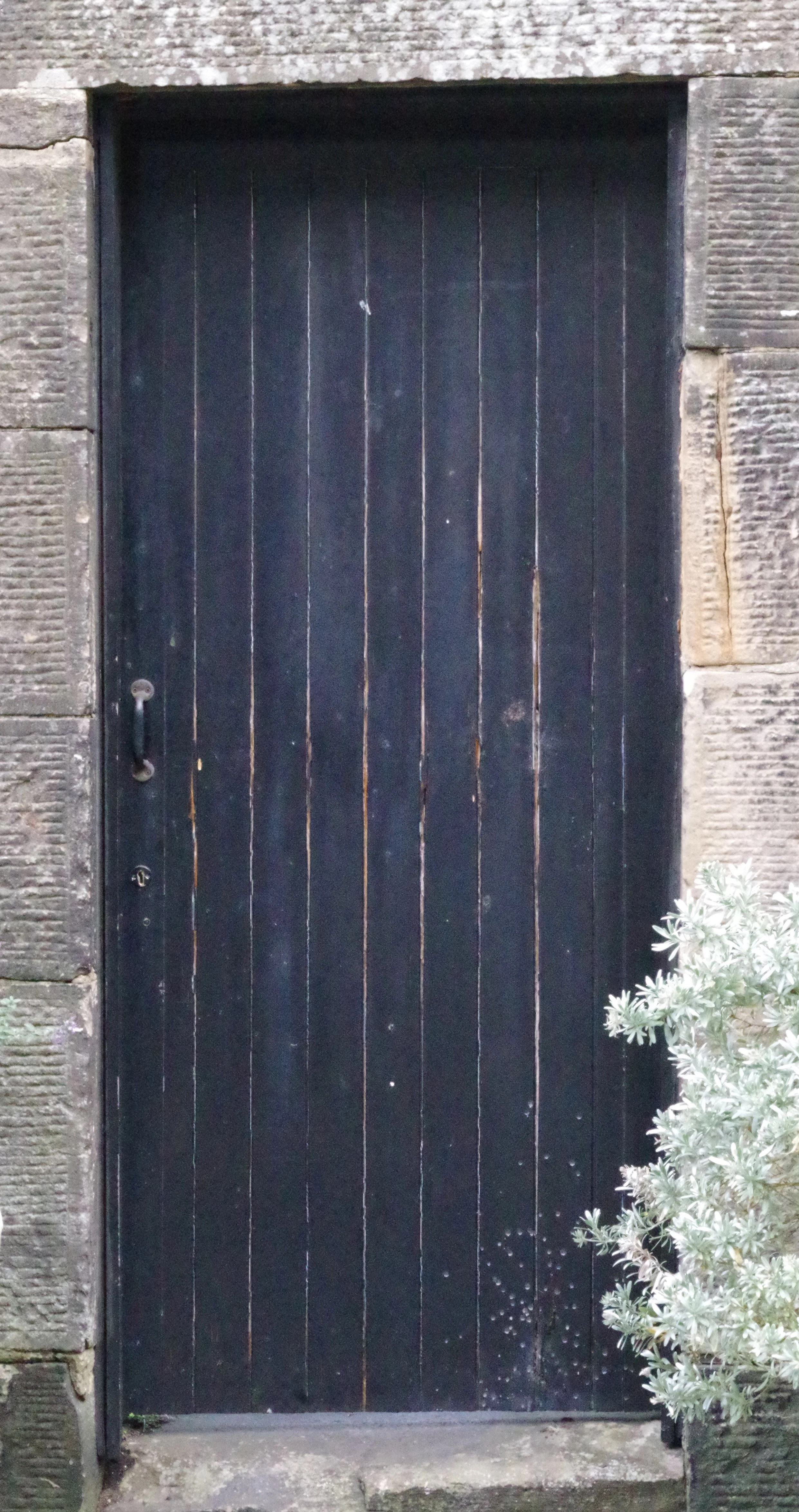
On our fourth day, we hiked down to Dean Village, a former milling community founded in the 12th century, nestled along the Water of Leith. We saw all types of housing styles.
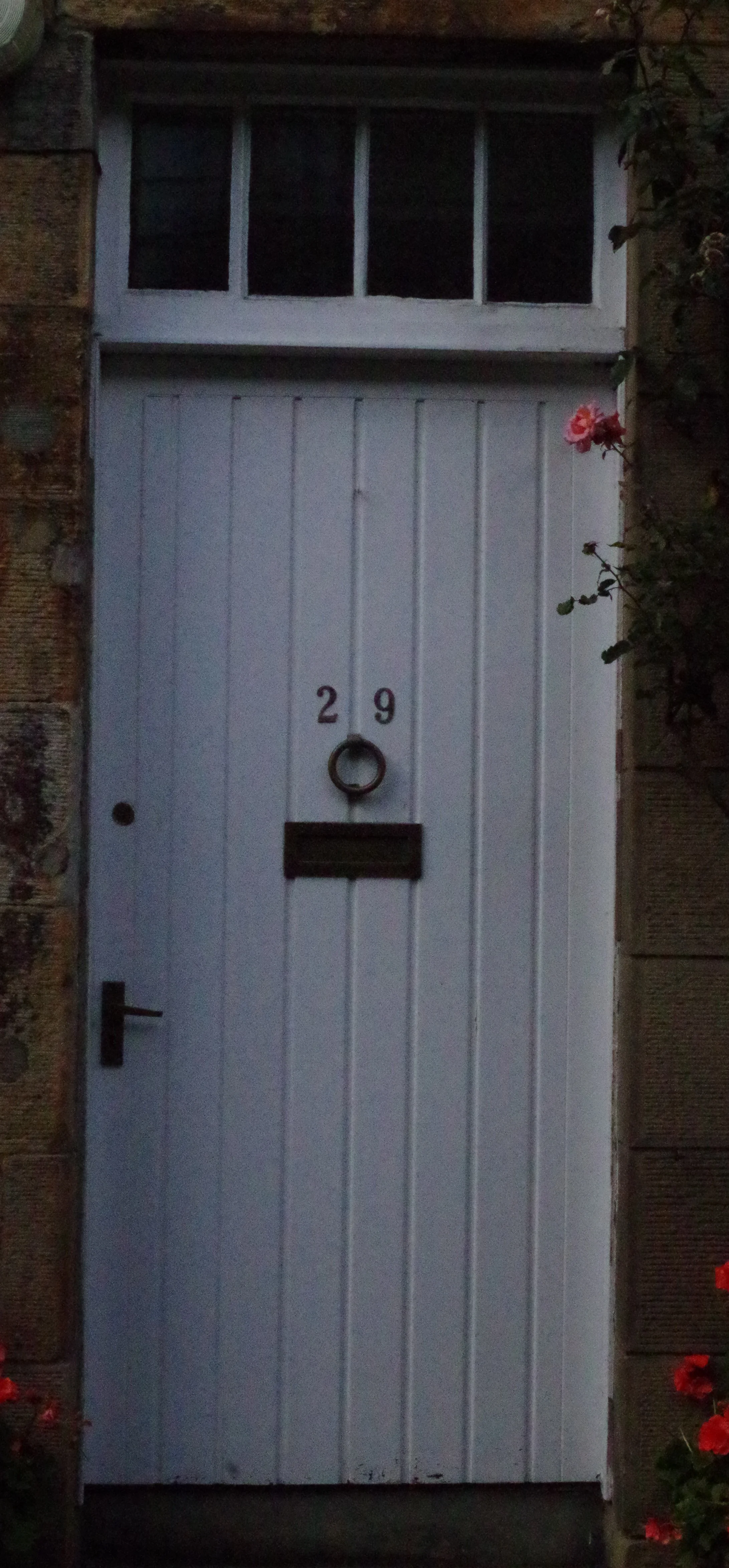
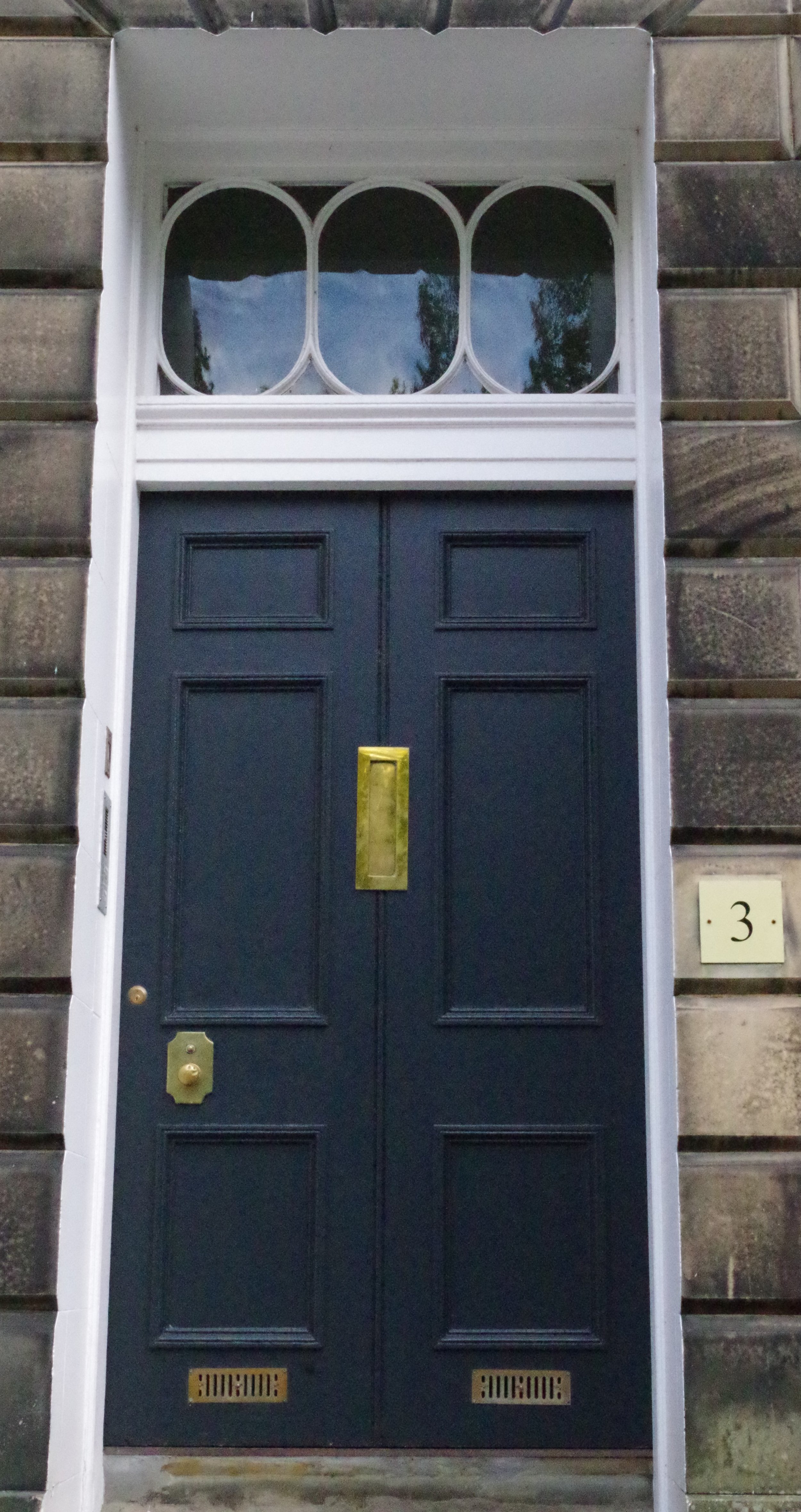
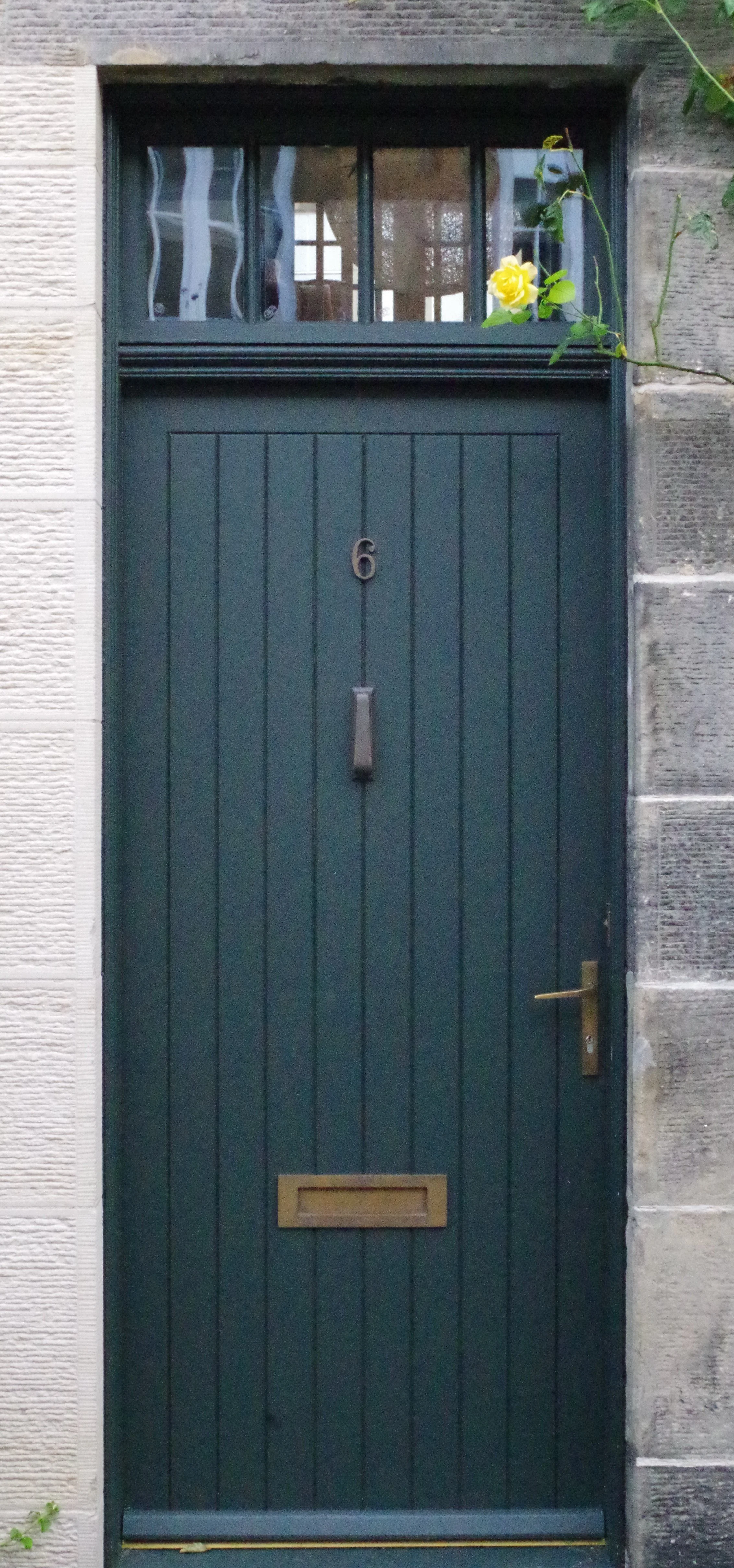
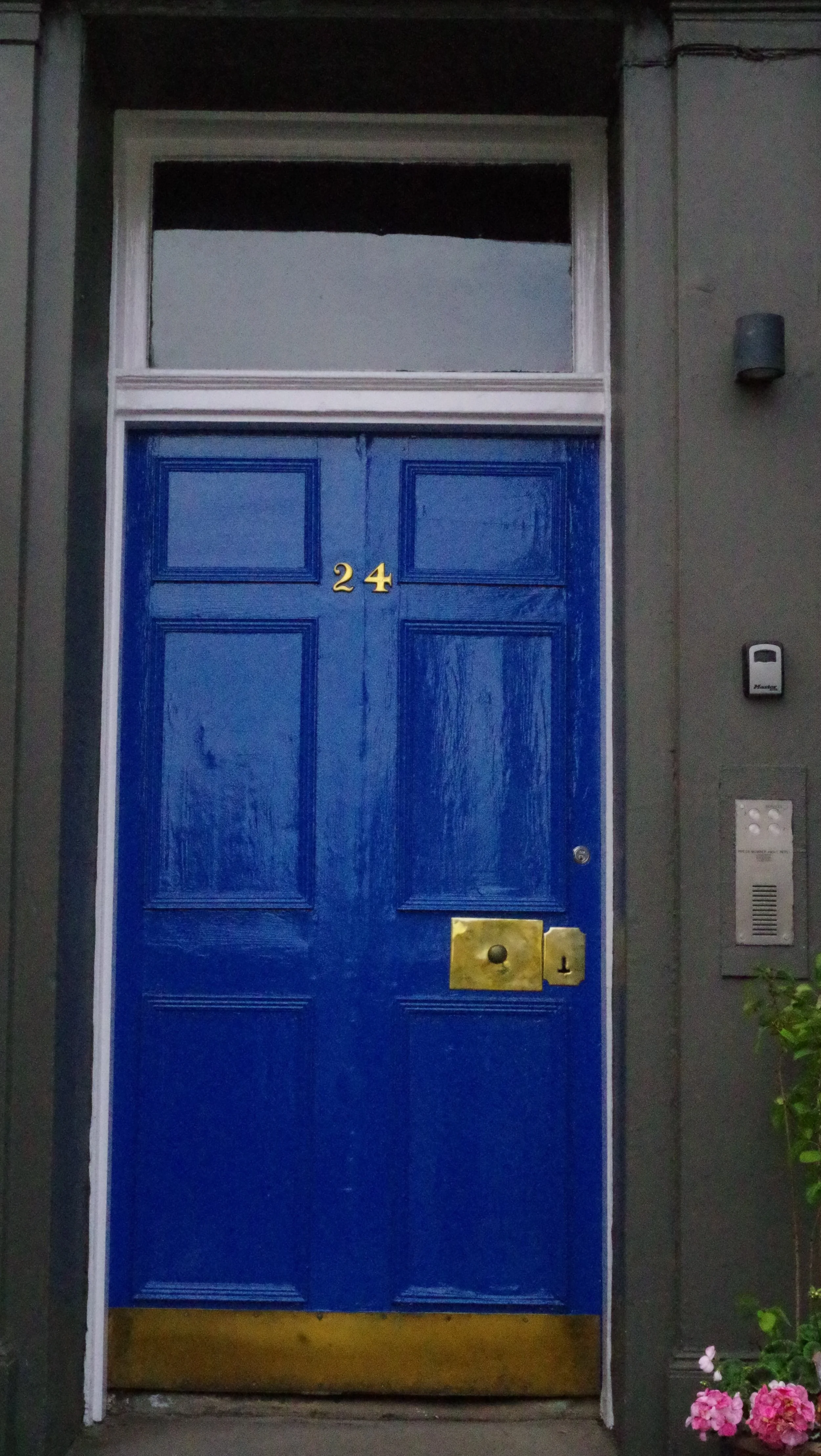
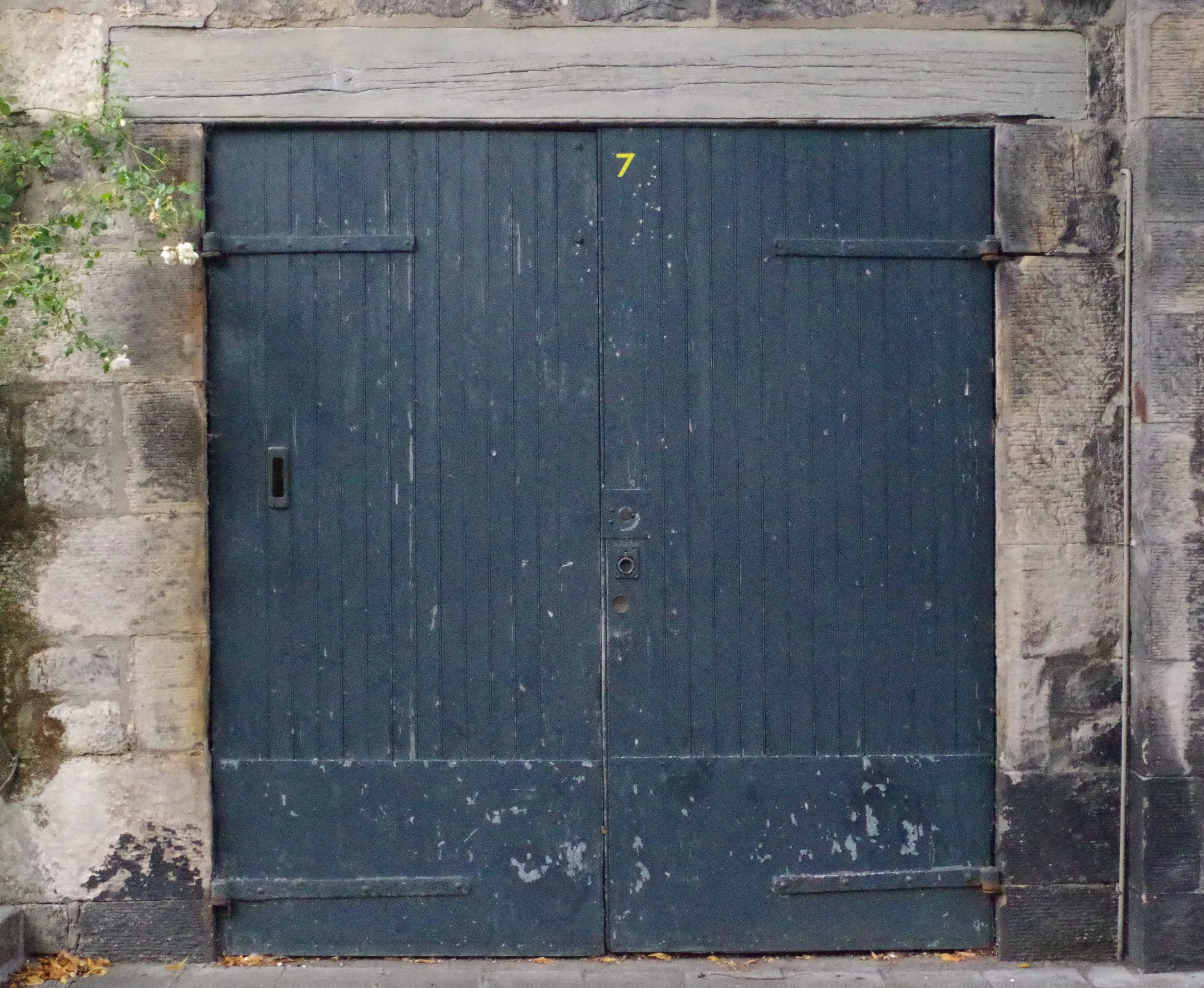
Not far away, in New Town, we wandered through the Georgian crescents, three- and four-story stone terraces, hundreds of years old, curling around small oval parks like a single continuous wall. The buildings themselves are almost uniform, the same stone and height, but every door was unique.
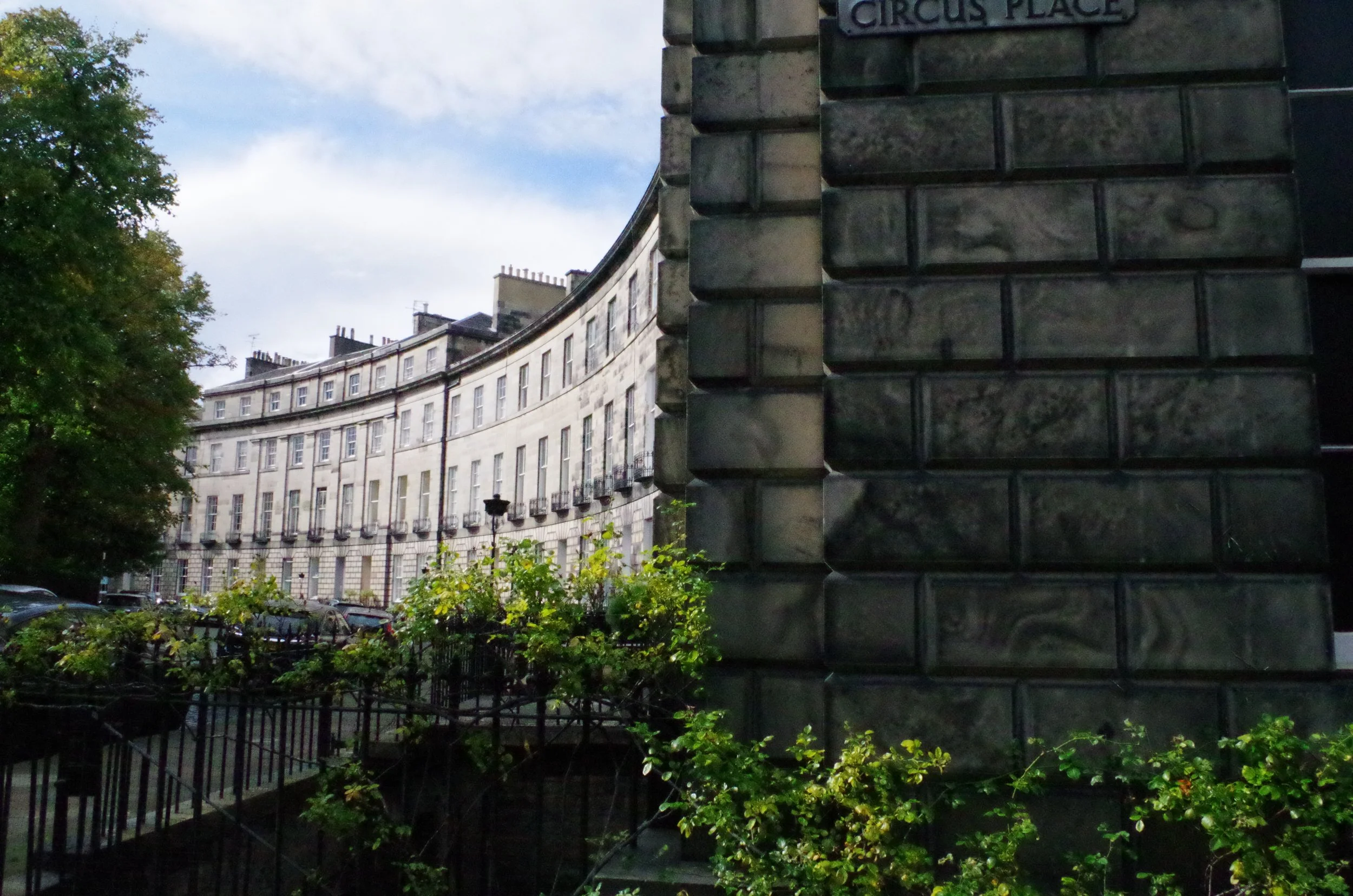
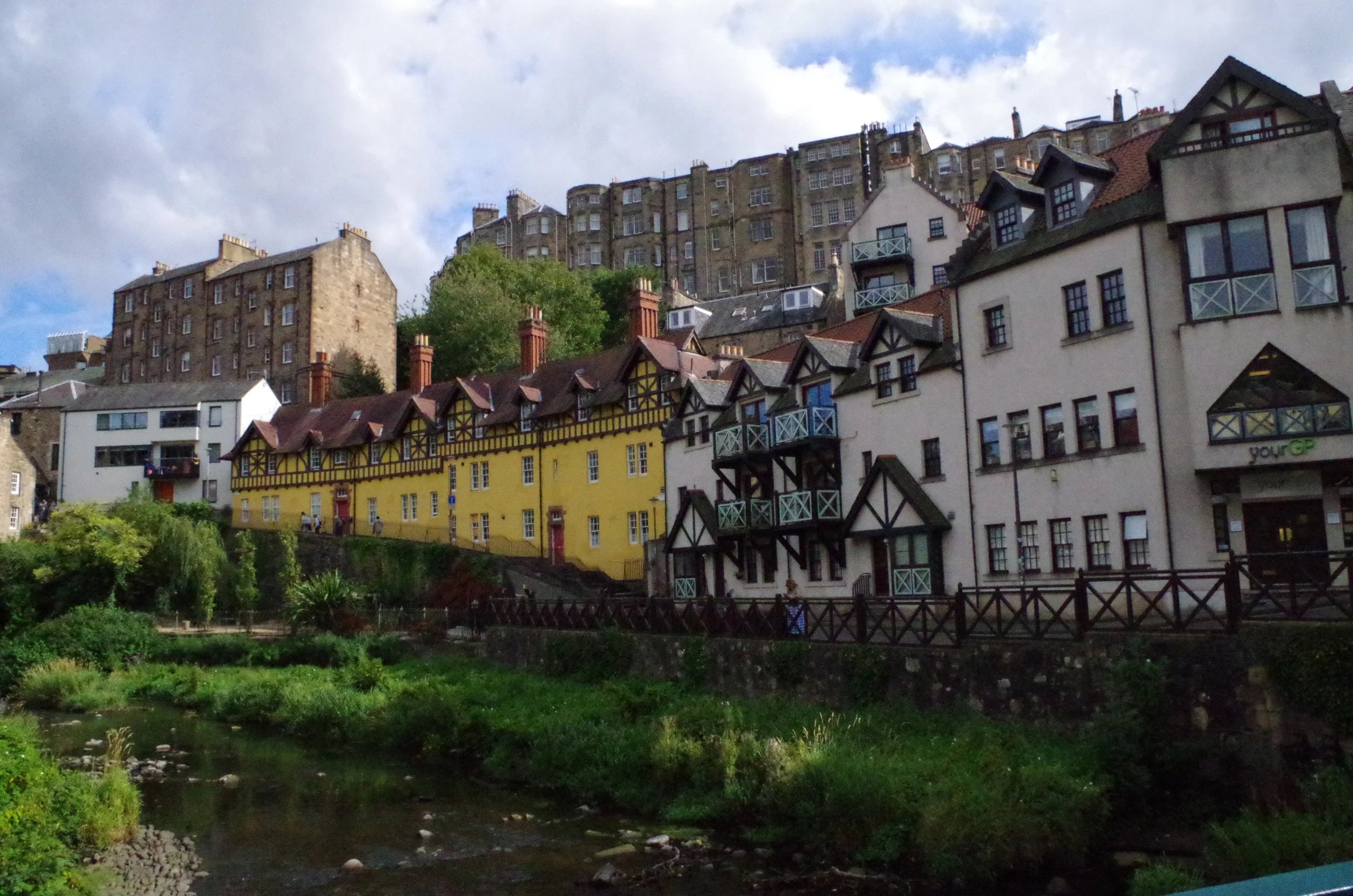
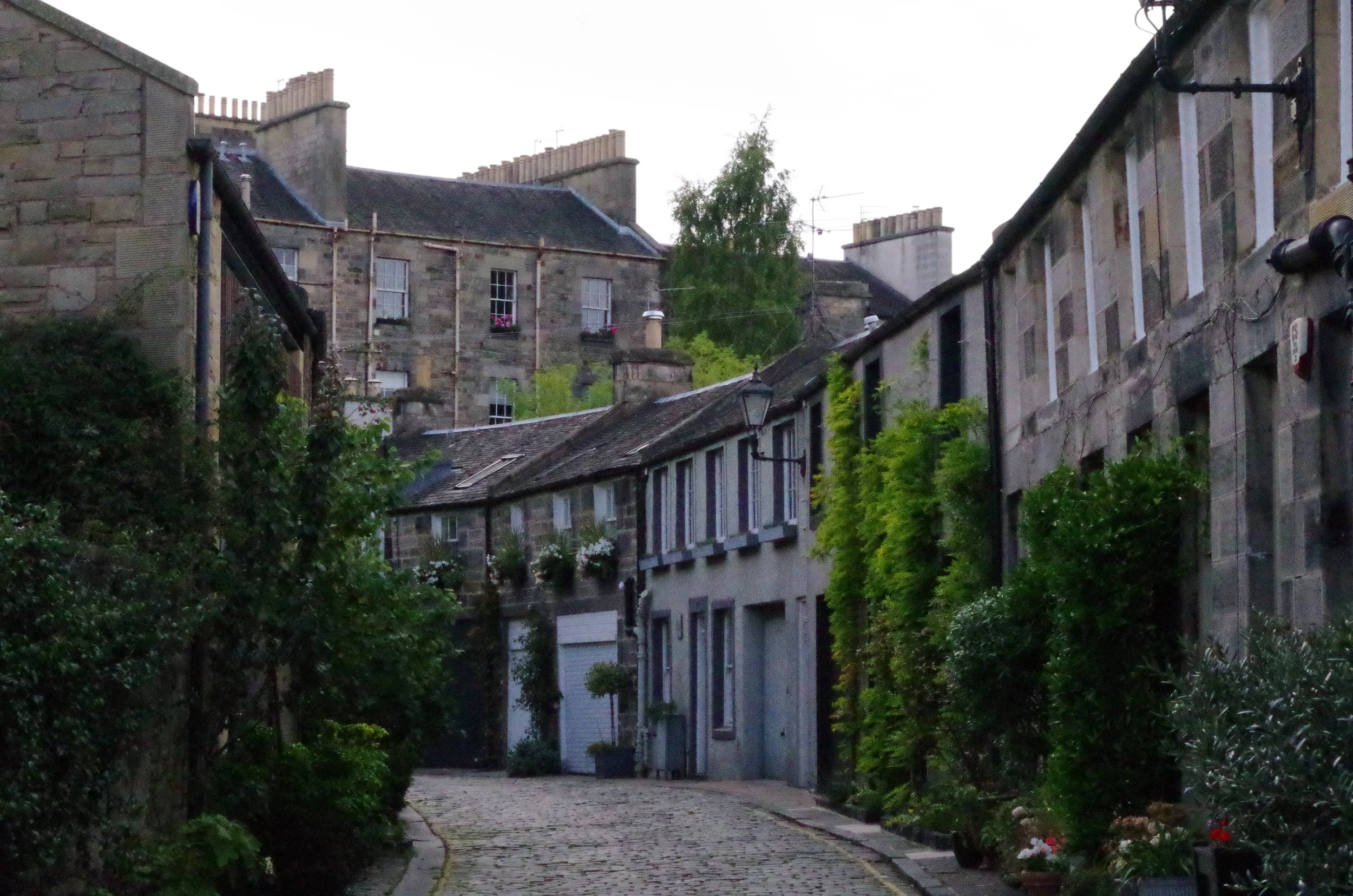
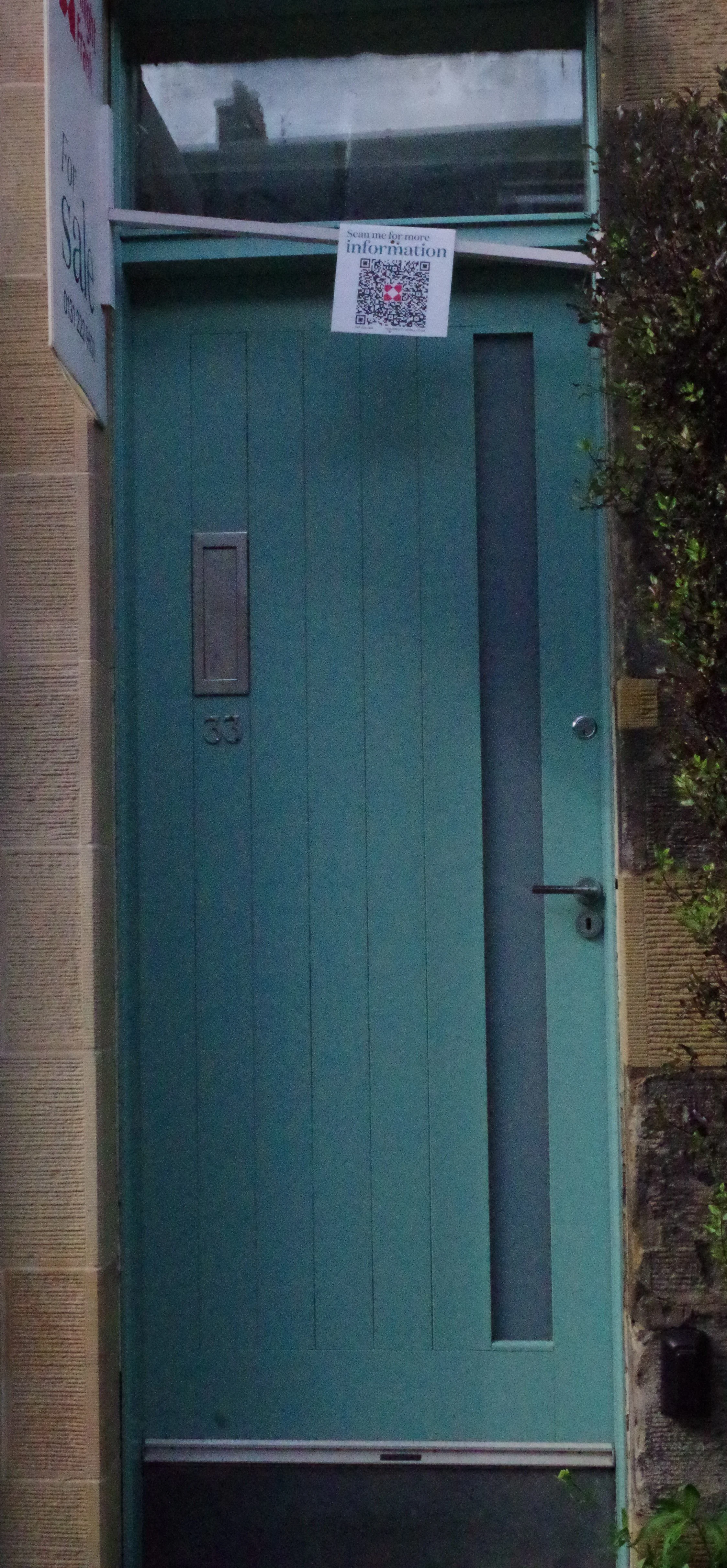
Just around the corner is Circus Lane, a charming, cobbled stone-clad lane with converted mews and spilling over with greenery. It’s the kind of street that looks staged until you realize people actually live there.
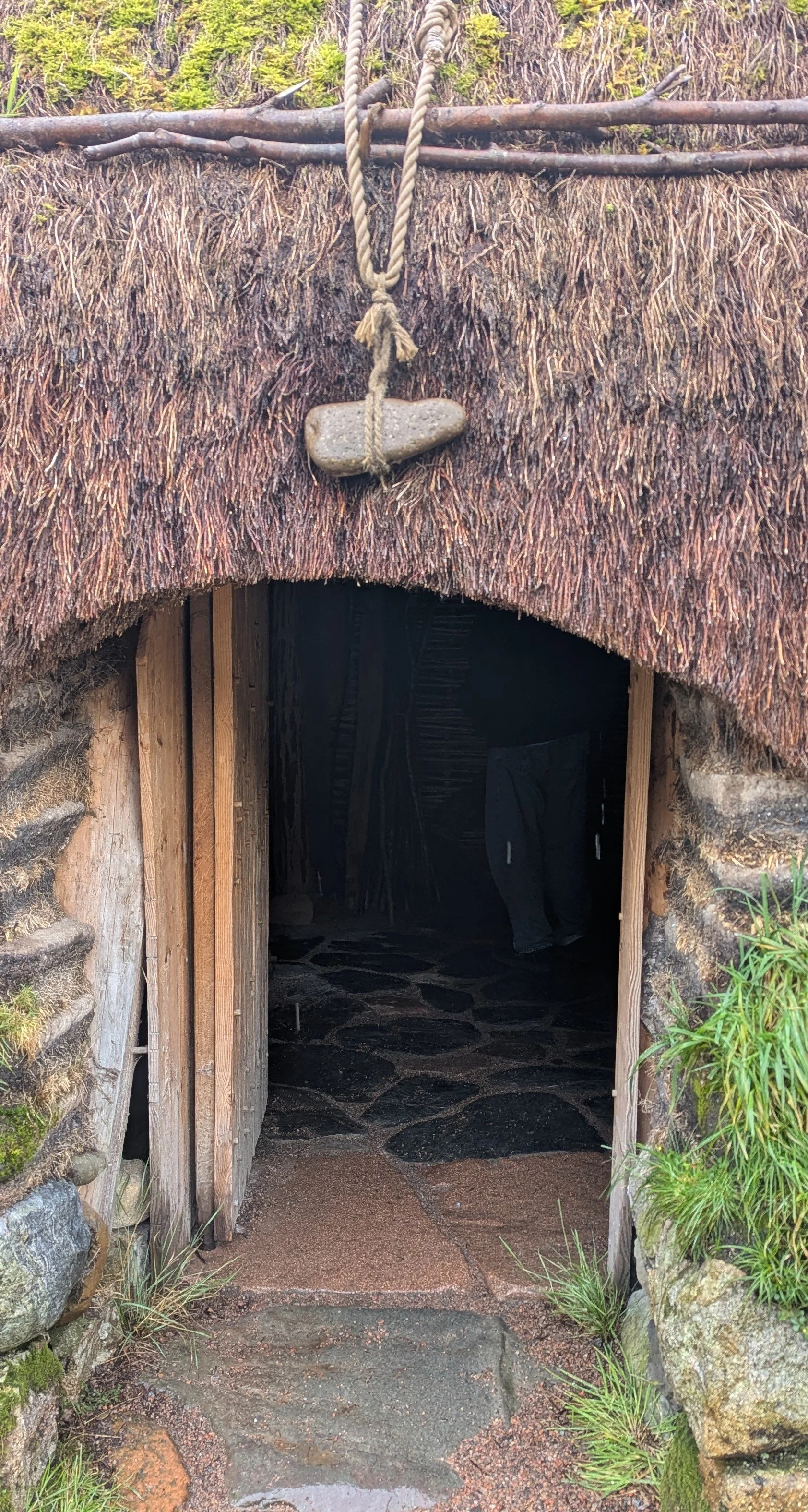
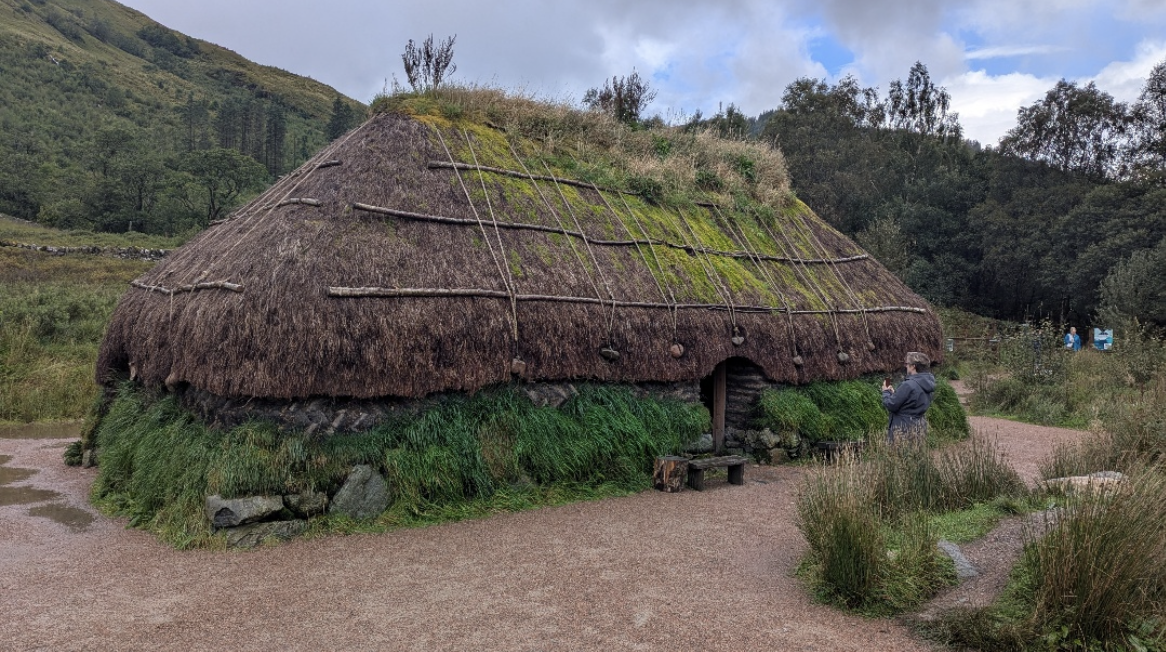
On day ten, we made it out to Glencoe, hiking the Three Sisters in weather that never quite let up. Even soaked through, it was worth it. The visitor center has a replica thatched-roof croft you can walk into, low doorway and all—the kind of place that immediately reminded us of William Wallace’s home from Braveheart.
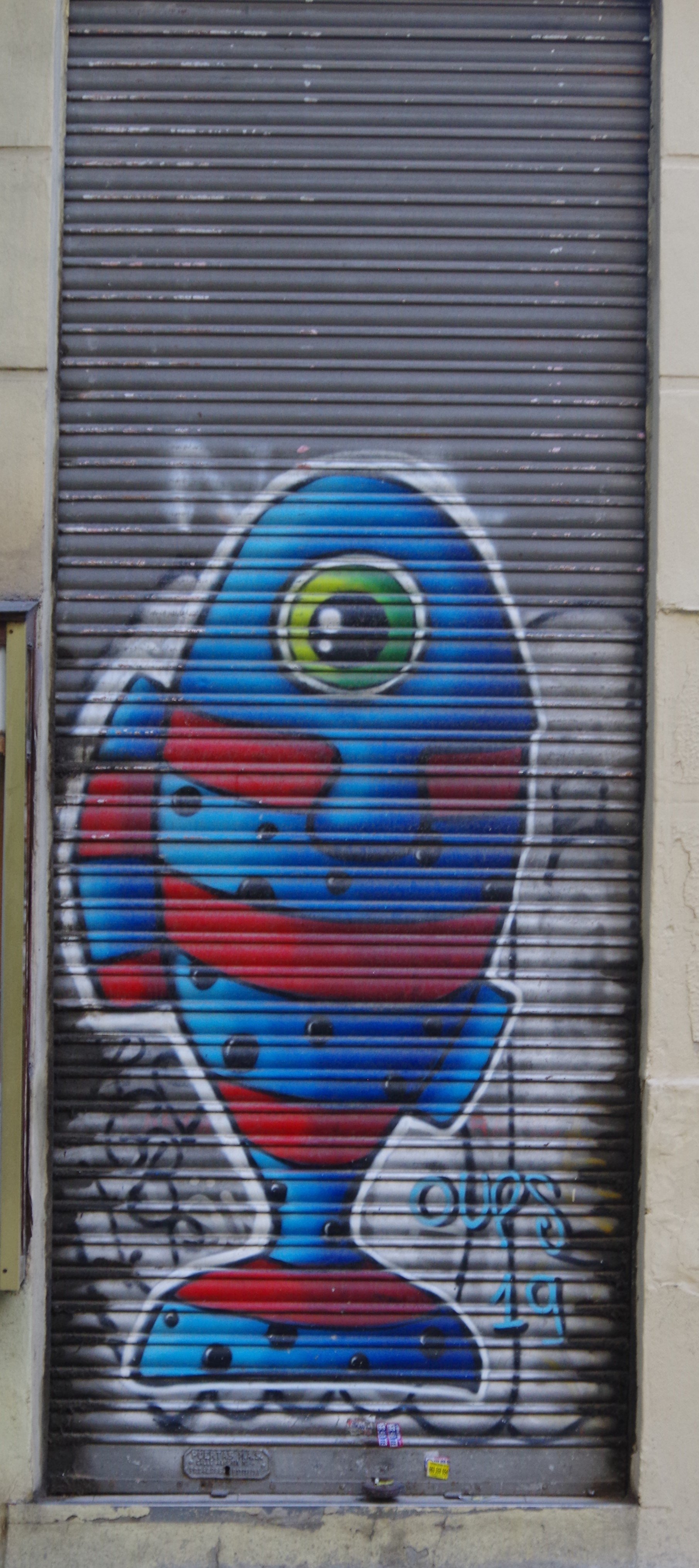
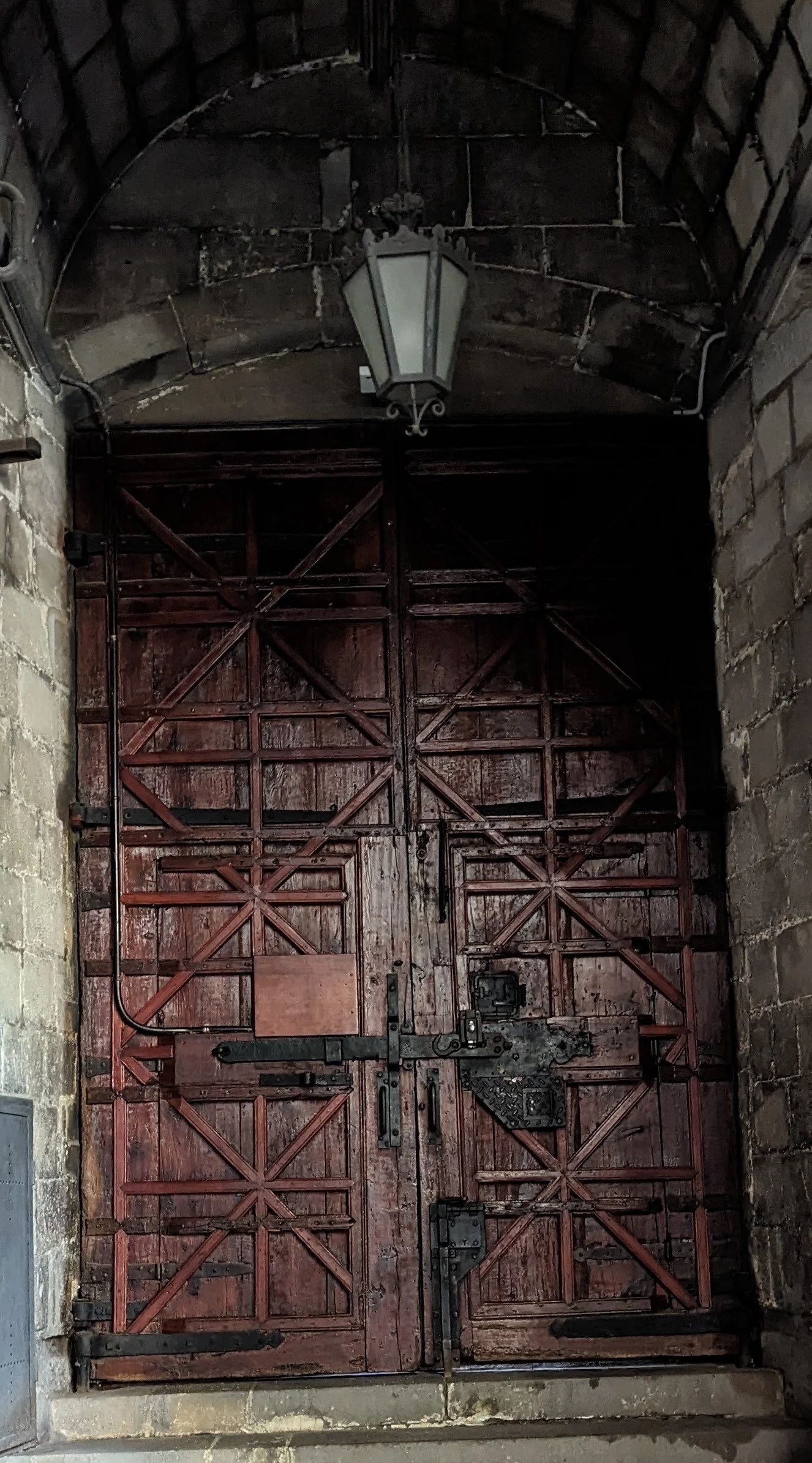
Another exciting adventure that we went on was Spain, where the doors felt irresistible to capture. Here are a few of my favorites.